How to Choose the Perfect Mountain Bike Size and Fit
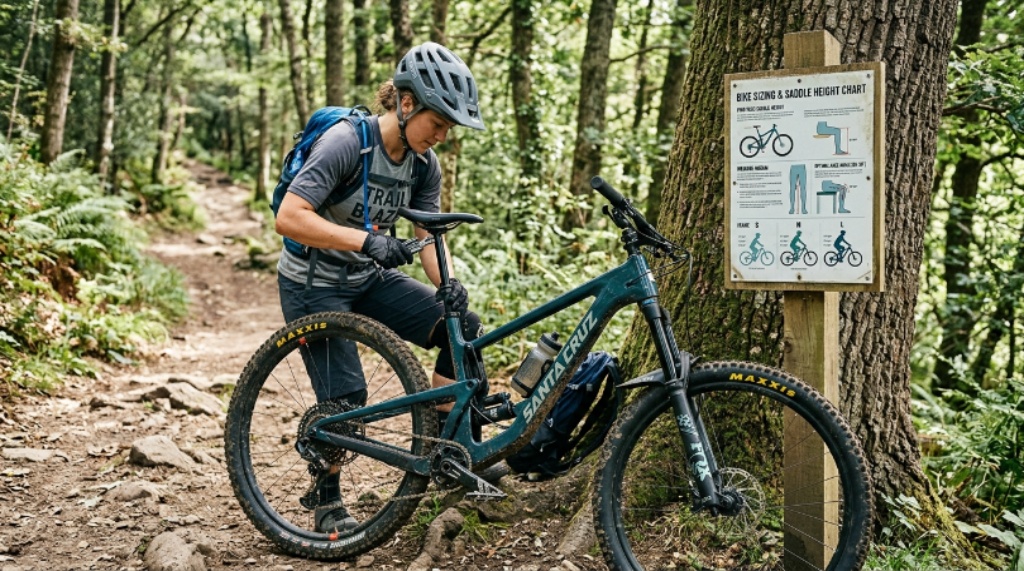
Choosing the right mountain bike can feel overwhelming. With so many options on the market, it is easy to get lost in the details. However, getting the right size and fit is the single most important decision you will make as a rider. A well-fitted bike improves your control, comfort, and confidence on the trail. This guide will walk you through everything you need to know.
Why Bike Size and Fit Matter More Than You Think
Many new riders focus on brand, color, or price first. Those things matter, but they come second. A bike that does not fit your body will hold you back no matter how much it costs. You will feel tired faster, struggle with handling, and risk injury over time.
Therefore, before you spend a single dollar, you need to understand how sizing works. A good fit means your body works with the bike, not against it. This applies whether you ride cross-country trails, technical singletrack, or downhill runs.
Understanding Frame Size: Where Everything Starts
Frame size is the foundation of any MTB sizing guide. Manufacturers typically measure frame size in inches or use small, medium, large, and extra-large labels. The right size depends mainly on your height and your inseam length.
Here is a simple starting point based on rider height:
- Under 5’2″ (157 cm): XS or 13–14 inch frame
- 5’2″ to 5’6″ (157–168 cm): Small or 15–16 inch frame
- 5’6″ to 5’10” (168–178 cm): Medium or 17–18 inch frame
- 5’10” to 6’1″ (178–185 cm): Large or 19–20 inch frame
- Over 6’1″ (185 cm): XL or 21+ inch frame
However, these are general ranges only. Two riders of the same height can have very different torso and arm lengths. Additionally, different brands size their frames slightly differently. Always check the manufacturer’s specific geometry chart before you buy.
How to Measure Your Body for a Better Fit
Getting accurate body measurements is one of the most useful bike fit tips you can follow. You need three key numbers: your height, your inseam, and your reach.
To measure your inseam, stand barefoot against a wall. Place a hardcover book between your legs, spine up, pressed firmly against your groin. Measure from the floor to the top of the book. This number tells you how much standover clearance you need.
Standover clearance is the gap between the top tube of the bike and your body when you stand flat-footed over the frame. You should have at least one to two inches of clearance for cross-country bikes. For trail and enduro bikes, two to three inches is safer and gives you more room to move around on rough terrain.
Your reach is the distance from the saddle to the handlebars. A longer reach puts you in a more aggressive, aerodynamic position. A shorter reach feels more upright and comfortable. Neither is wrong. It depends on your riding style and flexibility.
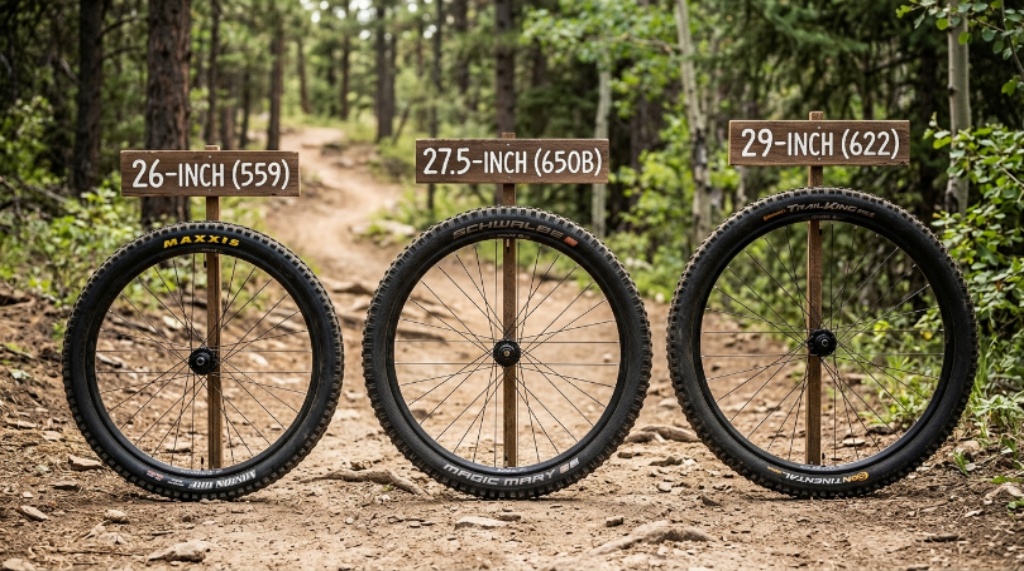
Wheel Size Comparison: 26″, 27.5″, and 29″
Wheel size affects how a bike rides more than most people expect. A proper wheel size comparison helps you match the right wheel to your riding style and body type.
26-inch wheels were the standard for decades. They are lighter and more agile, making them great for tight, technical trails. However, they have largely been replaced by larger options in modern mountain biking.
27.5-inch wheels (also called 650b) are a middle ground. They roll over obstacles better than 26-inch wheels and still feel responsive and nimble. Many trail and enduro bikes use this size. Riders under 5’6″ often find 27.5-inch wheels a natural fit.
29-inch wheels are now the most popular choice for cross-country and trail riding. They roll over roots, rocks, and rough terrain with less effort. Therefore, they are faster on open trails. However, they add some weight and can feel less flickable in tight corners. Taller riders generally benefit most from 29-inch wheels.
Some bikes come in a “mullet” setup, with a 29-inch wheel in the front and a 27.5-inch in the rear. This gives you the rollover advantage up front with more agility at the back. It is an increasingly popular option in enduro and trail categories.
Saddle Height: Getting This Right Changes Everything
Once you have the right frame, saddle height becomes your next priority. It is one of the most impactful bike fit tips for comfort and efficiency. Set it too low, and your knees take on too much stress. Set it too high, and your hips rock with every pedal stroke.
To find your ideal saddle height, sit on the bike and place your heel on the pedal at the lowest point. Your leg should be fully straight. When you move your foot to the normal pedaling position, you will have a slight bend in the knee. That bend is what you want.
Additionally, dropper seatposts have become standard on most trail and enduro bikes. They let you lower the saddle quickly on descents and raise it back up for climbing. If your bike does not have one, it is one of the best upgrades you can make.
Handlebar Width and Reach
Handlebar width affects how stable you feel and how much control you have. A bar that is too narrow will feel twitchy. One that is too wide will put strain on your shoulders over long rides.
A good rule of thumb is to match your bar width to your shoulder width. Most trail riders find that bars between 720mm and 780mm work well. However, this is personal. Shorter riders often prefer narrower bars, while taller riders go wider.
Stem length also plays a role. A shorter stem (40–60mm) gives you quicker steering response. A longer stem (70–90mm) offers more stability at higher speeds. Most modern trail bikes use short stems to keep handling lively and responsive.
Getting a Professional Bike Fit
Even with all this information, nothing replaces an in-person bike fit from a professional. A good bike fitter will look at your flexibility, riding posture, and goals. They can make micro-adjustments to cleat position, saddle tilt, and bar height that are hard to dial in on your own.
Many local bike shops offer basic fits for free when you buy a bike. More detailed fittings with motion capture tools can cost between $100 and $300. For serious riders, that investment pays for itself quickly in comfort and performance.
Conclusion
Choosing the right mountain bike size and fit is not complicated once you know what to look for. Start with frame size based on your height and inseam. Then consider wheel size based on your riding style. Fine-tune your saddle height, handlebar width, and stem length for comfort. And if you can, get a professional fit to dial everything in.
A well-fitted bike does not just feel better. It makes you a better, safer, and more confident rider on every trail you take on.
Frequently Asked Questions
What happens if I ride a mountain bike that is too big?
A bike that is too large makes it hard to control the front wheel, reach the ground safely, and maneuver through tight sections. You may also experience shoulder and back strain from overreaching to the handlebars.
Can I adjust a mountain bike to fit better after buying it?
Yes. You can change the saddle height, saddle position, stem length, handlebar height, and grip width. However, the frame size itself cannot be changed, which is why getting the right frame from the start is so important.
Is a 29-inch wheel right for shorter riders?
Generally, 29-inch wheels suit riders who are 5’6″ and taller. Shorter riders may find that 27.5-inch wheels offer better fit and handling. That said, some brands now make compact 29-inch frames designed for smaller riders.
How often should I have my bike fit checked?
If you ride regularly, getting a fit check once a year is a good habit. It is also worth revisiting your fit after any significant change in flexibility, fitness level, or riding style.
Do I need a professional fit if I am just a beginner?
Not necessarily. Starting with the correct frame size and following the basic adjustments in this guide will get most beginners in a good position. As you ride more and develop preferences, a professional fit becomes more valuable.
Related Topics:
How to Choose Budget Mountain Bike Shoes That Last
How to Decide Between Bike Rollers vs Trainer for Indoor Workouts