Why Wheel Spokes Matter: Strength, Weight, and Performance Explained
Few drivers ever look closely at the spokes inside a wheel, yet those thin metal ribs quietly hold the car up. You feel the result every time you hit a pothole, brake hard, or notice a vibration at highway speed. Understanding why wheel spokes matter helps you judge wheel quality, diagnose problems…
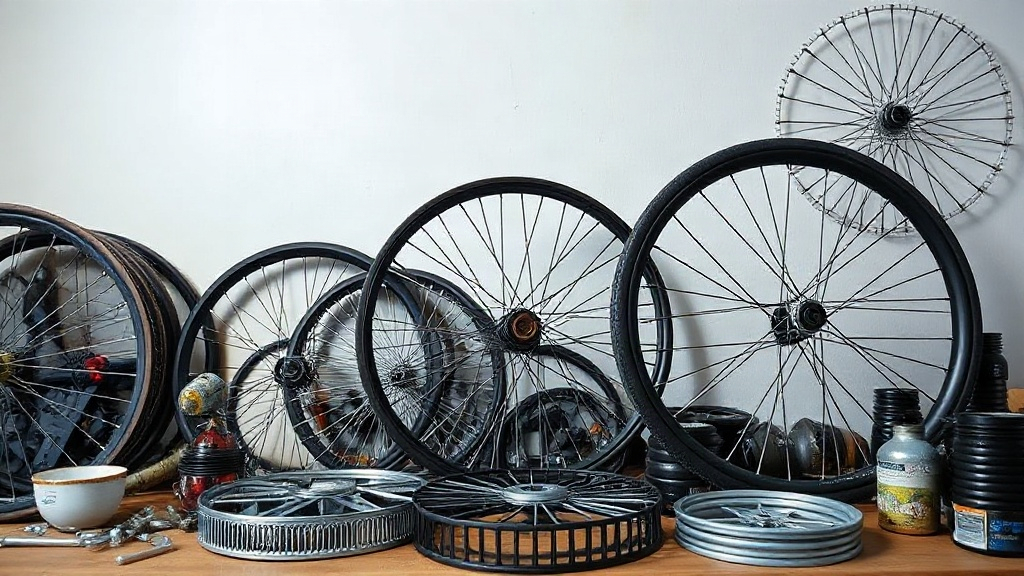
Few drivers ever look closely at the spokes inside a wheel, yet those thin metal ribs quietly hold the car up. You feel the result every time you hit a pothole, brake hard, or notice a vibration at highway speed. Understanding why wheel spokes matter helps you judge wheel quality, diagnose problems early, and make smarter choices when replacement time comes. This guide explains the engineering in plain terms and ties it to practical car maintenance tips you can actually use. By the end, you will know how spoke design affects strength, weight, and the way your car behaves.
Quick answer: Spokes connect the hub to the rim and carry the loads a wheel meets on the road. Their number, shape, and material decide how strong a wheel is, how much it weighs, and how well it cools brakes and handles stress. Match spoke design to your car and driving style, and inspect them for cracks after hard impacts.
Our picks at a glance
Spoke design is a set of trade-offs rather than a single best answer. A wheel built for a heavy SUV needs different geometry from one fitted to a light sports car. The table below compares the main spoke styles on the qualities that matter most to everyday drivers.
Comparison: common spoke styles
| Spoke style | Strength | Weight | Brake cooling | Typical use |
|---|---|---|---|---|
| Five thick spokes | High | Moderate to heavy | Good | SUVs, trucks, heavy loads |
| Ten slender spokes | Moderate | Lighter | Very good | Sedans, everyday driving |
| Multi-spoke (15+) | Moderate | Light | Excellent | Performance and track cars |
| Mesh or split-spoke | High | Moderate | Good | Sporty road cars |
| Forged thin-spoke | Very high | Light | Excellent | High-performance and racing |
Notice that more spokes do not automatically mean a stronger wheel. A five-spoke wheel with thick, well-designed arms can outlast a twenty-spoke wheel made from cheap cast alloy. What matters is how the spokes distribute force from the rim into the hub.
The table compresses a lot into a few rows, so treat it as a starting point rather than a verdict. Read across the strength and weight columns for your intended use, then look up the specific wheel’s published load rating and manufacturing method. Two wheels that share a style can still differ sharply in quality.
Why spoke count changes behavior
Each spoke shares the load. With fewer spokes, each one carries more stress, so it needs more material or a stronger alloy. With more spokes, the load spreads out, but you add weight and more edges to clean. A light wheel with many thin spokes can feel nimble yet may bend on a rough road.
Where weight really shows up
Wheel weight affects handling because the wheel spins and steers. Saving a kilogram at each corner is more noticeable than shedding the same weight from the trunk. Lighter wheels help the suspension react faster to bumps, which usually improves ride comfort and grip.
A wheel must be accelerated in two ways: forward and in rotation. That is why a lighter wheel often feels more responsive than the number on a scale suggests.
Brake cooling and cleaning
Open spoke designs let air reach the brake discs, which helps them shed heat during spirited driving or long descents. The same gaps collect less grime, so washing is quicker. Dense mesh designs look sharp but trap brake dust and restrict airflow. Neither style is wrong; each suits a different owner.
The list
These five points explain the practical reasons spoke design deserves your attention. Each one links engineering to something you can see or feel on your own car.
Keep one practical habit in mind as you read these points: every factor below is something you can verify yourself, without special tools. A flashlight, a torque wrench, and the wheel’s spec sheet cover most of what follows. That makes spoke quality far easier to judge than many buyers assume.
1. Spokes carry the car’s weight and road forces
A wheel is a load-bearing structure, and the spokes are its main supports. They pass the vehicle’s weight from the hub to the rim, then to the tire. They also absorb cornering forces, braking torque, and the sharp shocks of potholes. When a spoke is too thin for the job, it can crack or bend under stress. That is the core reason wheel spokes matter so much: they sit at the center of every force the car meets.
2. They shape how your car handles
Stiffness changes feel. A rigid spoke pattern keeps the wheel round under cornering, so the tire stays in contact with the road. Flexible or weak spokes allow slight deflection, which can dull steering response. Drivers rarely notice this on a gentle commute. Push the car on a twisty road, though, and the difference becomes clear.
3. Spoke weight affects acceleration and comfort
Every gram near the rim takes effort to spin. Light spokes reduce that effort, so the car accelerates, brakes, and steers with a little less strain. Lighter wheels also let the suspension respond faster to uneven surfaces. This is why weight sits alongside strength in any honest discussion of wheel spoke function.
4. They influence brake temperature
Brakes convert motion into heat, and that heat must escape. Open spokes let moving air pass over the disc, which lowers temperatures during hard use. Closed or densely packed designs trap heat and dust. On a long mountain descent, good airflow can be the difference between firm brakes and a soft pedal.
5. Spoke condition is a safety check you can do yourself
Cracks and bends often start at the spokes, especially after a hard curb strike. A quick visual check after any impact takes seconds. Look for hairline cracks near the hub and rim, and run a hand along each spoke for bends. Catch damage early and you avoid a sudden failure at speed.
How to choose the right option
Matching spokes to your real driving habits beats chasing looks alone. Start with the car itself: its weight, brake size, and the roads you use. A heavy vehicle on rough streets needs more material than a light car on smooth highways.
Read the load rating stamped inside the wheel and compare it with the gross axle weight on your car’s door jamb sticker. Dividing that figure by two gives the minimum each wheel should handle, and a little headroom is wise for passengers and cargo. A wheel rated far above your car’s needs adds unnecessary weight, while one rated below it is a genuine hazard.
Match spoke strength to vehicle weight
Heavier cars place more load on each spoke. Choose designs with thicker arms or forged construction for SUVs and loaded work vehicles. A light hatchback can safely use thinner, lighter spokes. Check the wheel’s load rating against your car’s specifications before buying anything.
Weigh the trade-off between looks and function
Large, airy designs look striking and cool brakes well. Dense multi-spoke wheels suit classic and sporty cars. Neither is superior in every case. Decide what you value: easy cleaning, brake airflow, low weight, or maximum strength. Write down your top two priorities and let them guide the choice.
Very cheap aftermarket wheels often use weaker alloys and thinner spokes. Saving money here can cost far more after a failure. Buy from sellers who publish load ratings and manufacturing standards.
Consider cleaning and upkeep
More spokes mean more surfaces for brake dust to cling to. If you prefer low-effort maintenance, choose a simpler pattern. Owners who enjoy detailing often accept the extra work for a distinctive look.
Inspect used wheels carefully
Before fitting used wheels, check every spoke for cracks, bends, or previous repairs. Look at the area where spokes meet the rim, since damage often starts there. Ask about the wheel’s history, including any accidents or curb impacts.
When you rotate your tires, take a minute to check the spokes and the wheel faces. One habit covers two maintenance tasks.
FAQ
How many spokes should a wheel have?
There is no ideal number. Five to ten spokes suit most passenger cars, while heavy vehicles often use fewer, thicker arms. Prioritize the wheel’s load rating over the spoke count shown in a photo.
Can a cracked spoke be repaired?
A cracked spoke is a serious safety concern. Some specialists weld alloy wheels, but a repair rarely restores original strength. Replacement is usually the safer choice, especially on a car that carries passengers or tows loads.
Do lighter wheels actually improve fuel economy?
The gain is small but real. Reducing rotating mass slightly lowers the energy needed to accelerate. Driving style and tire pressure affect fuel use far more than spoke weight alone.
Are more expensive wheels always stronger?
Price reflects brand, finish, and manufacturing method as much as strength. Forged wheels are typically stronger and lighter than cast ones, but a well-made cast wheel from a reputable maker can serve perfectly well. Check specifications rather than assuming cost equals quality.
How often should I inspect my wheels for spoke damage?
Check them after any significant impact, and add a quick visual review to each tire rotation. That routine catches most problems before they become urgent.
Why wheel spokes matter more than most drivers realize
Spokes carry weight, absorb road forces, influence braking, and shape how a car feels to drive. Their number, thickness, and material all involve trade-offs between strength, weight, and airflow. You do not need to be an engineer to benefit from that knowledge. Match the design to your car and driving habits, avoid suspiciously cheap wheels, and check the spokes after hard impacts. Make spoke inspection part of your regular wheel care routine, and start with your next tire rotation.
{"seoTitle": "Why Wheel Spokes Matter: Strength, Weight, and Performance", "metaDescription": "Discover why wheel spokes matter for strength, weight, and performance. Learn how spoke design affects handling, brake cooling, and safety on your car.", "slug": "why-wheel-spokes-matter", "excerpt": "Spokes do more than look good. Learn how spoke count, shape, and material affect wheel strength, weight, brake cooling, and the way your car drives."}One detail most owners overlook is that spokes are usually the first part of a wheel to fail after a hard impact. Tire sidewalls flex and springs absorb some of a pothole strike, but the spoke shoulders the rest of that energy in a single instant. That is why a wheel can look perfect at the rim lip yet hide a hairline crack where the spoke meets the hub. Cracks in this zone often spread slowly, and a wheel that survives one curb hit may fail months later on an ordinary drive. A flashlight and a slow, deliberate look at each spoke junction after any hard knock is cheap insurance.
Spoke design also changes how a wheel responds to heat cycling. Brake rotors reach several hundred degrees during repeated hard stops, and that heat radiates into the wheel center. Well-designed spokes leave room for expansion and airflow, while tight clusters trap heat near the hub bolts. Over seasons of stop-and-go driving, that trapped heat can loosen torque and encourage corrosion around the mounting face. If you tow a trailer or regularly descend steep grades, favor an open pattern that lets the wheel breathe.
Finally, spokes affect how the tire wears. A wheel that flexes under load lets the tire contact patch shift slightly, and uneven contact wears one shoulder faster than the other. Drivers often blame alignment for a wear pattern that actually traces to a weak wheel. Checking spoke condition alongside tread depth helps you separate the two causes before you pay for an alignment you did not need.
Conclusion
Spokes are the load-bearing heart of every wheel, quietly balancing strength, weight, brake cooling, and handling. Match the design to your car and driving habits, avoid suspiciously cheap wheels, and inspect the spokes after any hard impact. The next step is simple: at your next tire rotation, spend two minutes checking each spoke junction for cracks or bends. That small habit turns spoke knowledge into real peace of mind, and it costs nothing but a flashlight and a little attention.