How to Prepare for Your First Massage: What to Expect and What to Avoid
A practical guide to preparing for your first massage, covering what to expect, how to time your day, and the mistakes that undermine a good session.
Most people arrive at their first appointment unsure whether to eat beforehand, what to wear, or how much undressing is normal. Knowing how to prepare for your first massage removes that uncertainty and lets you relax into the session instead of managing it. A few practical steps before you go — and a clear sense of what the appointment involves — make the difference between a tense hour and a genuinely restorative one. You can also read more here for background on spa and aromatherapy services before you book.
Quick answer: Book with a licensed therapist, arrive ten to fifteen minutes early, and eat only a light meal an hour or two before. Wear comfortable clothing, expect to undress to your comfort level under a sheet, and speak up during the session about pressure, temperature, or anything that feels wrong. Skip alcohol, heavy meals, and rushed travel on the day.
What is prepare for your first massage?
Preparing for a first massage means managing three things: your body’s state when you arrive, your expectations about the appointment itself, and the information you share with the therapist. Each one affects how the session goes. A client who arrives rushed, hungry, and uninformed will spend the first twenty minutes settling down.
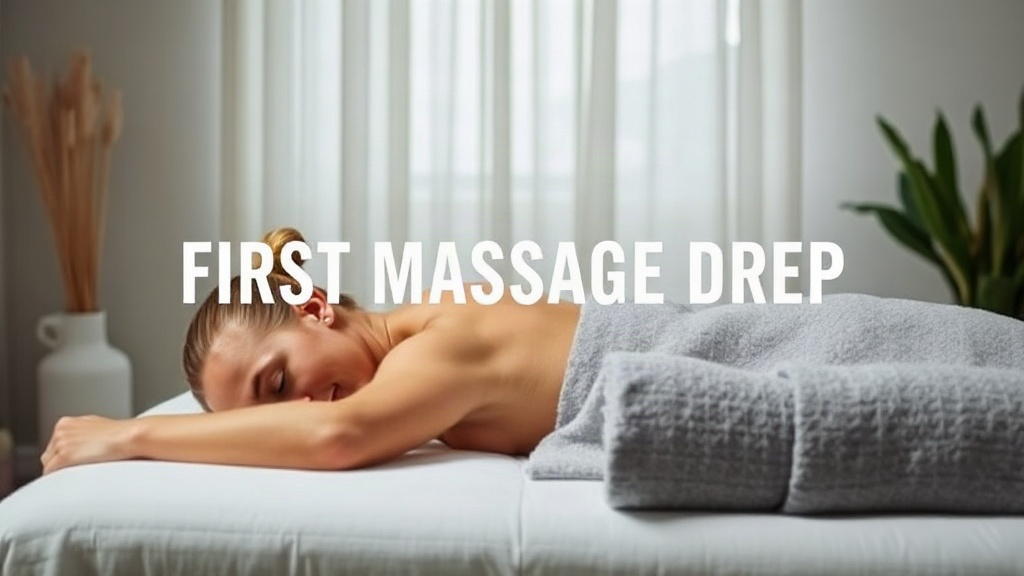
The appointment itself follows a predictable pattern. You fill out a short health intake form, discuss goals and any problem areas, then the therapist leaves the room so you can undress to your comfort level and get under a sheet or towel. During the massage, only the area being worked on is uncovered. You dress afterward, and the therapist may offer water and brief aftercare advice.
Preparation also covers disclosure. Tell the therapist about injuries, recent surgeries, pregnancy, high blood pressure, skin conditions, or medications that affect circulation or sensation. This is not small talk; it changes which techniques are safe. Someone on blood thinners, for example, may need lighter pressure to avoid bruising.
Finally, decide what you want from the session. Relaxation, pain relief, and sports recovery call for different approaches and different pressure. A therapist can tailor the work only if you name the goal at the start. Say "my shoulders carry a lot of tension and I’d like firmer work there" rather than leaving it to guesswork.
Takeaway: preparation is mostly information — about your health, your goals, and what the appointment will involve.
Why prepare for your first massage matters
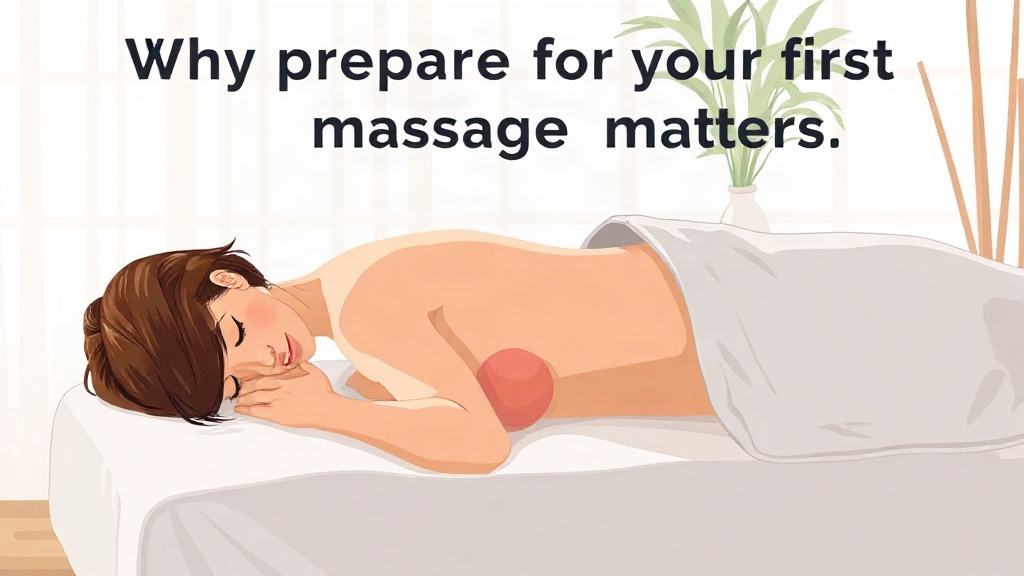
Arriving unprepared rarely ruins a massage, but it reliably blunts the benefits. Tension in the body mirrors tension in the schedule. If you sprint from a meeting to the table, your nervous system is still in alert mode for the first part of the session. Ten quiet minutes in a waiting room help more than most people expect.
Physical timing matters too. A large meal within an hour of a massage can cause discomfort when you lie face down, particularly with abdominal or deep back work. Alcohol thins the perception of pressure and can leave you dizzy when you stand up afterward. Neither is dangerous in most cases, but both work against the point of the appointment.
There is also a consent dimension. A first massage is an unfamiliar situation, and unfamiliar situations make people agree to things they would rather decline. Knowing in advance that you can ask for lighter pressure, request that a certain area be skipped, or end the session early gives you permission to use those options. Therapists expect these requests and treat them as routine.
Cost and scheduling deserve a moment of thought as well. Most providers charge for a fixed session length, and arriving late usually shortens your time on the table rather than the price. That single detail is the most common reason first-timers feel shortchanged.
Takeaway: preparation protects both your comfort and the value you get from the hour.
Best practices
Before the appointment
Book with a licensed or certified therapist and confirm the session length and price when you book. Ask what the cancellation policy is, because many clinics charge for late cancellations. Arrive ten to fifteen minutes early to complete paperwork without cutting into your session.
Eat lightly an hour or two beforehand, and drink water as you normally would. Avoid alcohol entirely on the day. Wear or bring comfortable clothing, and leave jewelry and watches at home so you are not removing them in a treatment room.
During the session
Speak up early. If the pressure feels too firm or too light, say so within the first few minutes; adjusting later is harder once the therapist has settled into a rhythm. Mention cold hands, an uncomfortable pillow, or a room that is too bright. These are ordinary requests. If you have questions about specific techniques or regional styles, particularly firmer traditions, reviews of Asian massage precautions can help you ask informed questions.
Breathe steadily and let the therapist move your limbs rather than helping. Resist the urge to chat if you want to relax; a brief "I’d prefer to stay quiet" is perfectly acceptable.
After the massage
Stand up slowly, drink water, and give yourself twenty minutes before driving if you feel lightheaded. Some soreness the next day is normal after firm work, similar to the day after exercise. Report any bruising or sharp pain to the therapist.
Leave fifteen minutes free after your appointment. Rushing straight back into traffic undoes much of the relaxation you just paid for.
Takeaway: the best preparation is simple, early, and communicated out loud.
Common mistakes to avoid
The most frequent error is staying silent about discomfort. Clients often assume the therapist knows best and endure pressure that borders on painful. A good therapist wants the feedback; pain tenses muscles and defeats the purpose of the work.
A second mistake is over-preparing physically. Some people book a deep-tissue session as their very first massage, expecting to "get their money’s worth." Deep work on an unprepared body often produces soreness that lasts two or three days and puts people off massage entirely. A moderate-pressure session is a better first experience.
Poor timing shows up in several forms: booking during a lunch break with no margin, arriving directly from a workout without showering, or scheduling a massage immediately before an important meeting. Each adds friction. Showering beforehand is both courteous and practical, since warm water helps muscles relax.
People also under-report health information. Blood pressure medication, recent injuries, pregnancy, and skin infections all change what is appropriate. Withholding that information does not protect your privacy; it removes the therapist’s ability to keep you safe.
Finally, avoid treating the session as a medical appointment or a beauty treatment. It is neither. It is bodywork that works best when you arrive rested, honest, and clear about what you want. Expecting a massage to fix a chronic injury in one hour leads to disappointment. Expecting it to reduce tension and improve how you feel that week is realistic.
Takeaway: most first-visit problems come from silence and scheduling, not from the massage itself.
FAQ
How early should I arrive for my first massage?
Plan for ten to fifteen minutes before your appointment time. That covers intake forms, a short conversation about goals, and using the restroom. Arriving exactly on time usually shortens your session.
Should I eat before a massage?
Eat a light meal an hour or two beforehand. A heavy meal too close to the appointment can cause discomfort when lying face down, while skipping food entirely may leave you lightheaded.
What should I wear to a massage?
Wear whatever is comfortable; you will undress in private to your comfort level and be covered with a sheet. Loose clothing is easier to put back on afterward. Leave jewelry at home.
Can I ask for less pressure during the session?
Yes, and you should. Therapists adjust pressure constantly and rely on your feedback. Say something in the first few minutes rather than waiting.
How long should my first massage be?
A 50 or 60-minute session is the standard starting point. It allows time for intake, full-body work, and a calm finish without overwhelming a first-time body.
Conclusion
A good first massage starts before you enter the room. Arrive early, eat lightly, disclose your health details, and name your goals clearly. Keep the pressure honest, build in time afterward, and treat the session as bodywork rather than a cure. If you have done those things, you are ready. Book a moderate-pressure, 60-minute session with a licensed therapist, and tell them at the start that it is your first visit — they will guide the rest.