Why Drainage Planning Matters for Safer Parking Areas in 2026
Drainage planning keeps parking areas dry, stable, and safe. Learn how slope, inlet sizing, and routine maintenance prevent flooding and pavement failure.
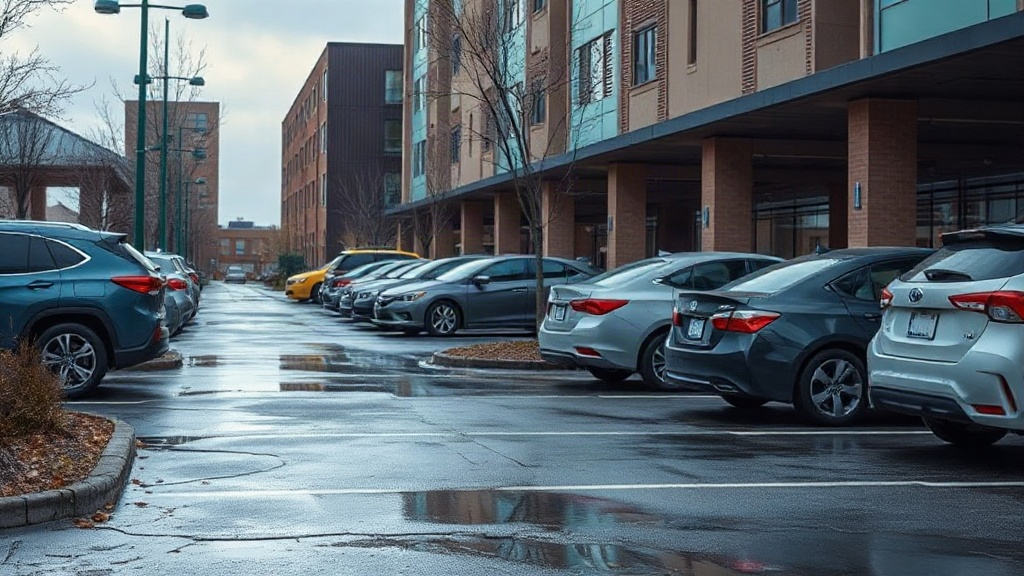
Standing water in a parking area is more than an inconvenience; it is where drainage planning matters for safer parking, and it shows up fast. A lot that pools after rain hides potholes, freezes into black ice, and sends pedestrians around puddles into traffic lanes. If you own, manage, or design a parking area, the ground beneath the asphalt decides how safe it stays. The Blogarithm blog covers related planning topics in more depth. This article explains how drainage works, why it fails, and the steps that keep a lot dry and usable.
Quick answer: Plan drainage before you pour asphalt, not after. Slope every surface toward a defined outlet, size inlets and pipes for the heaviest local storm, and keep those paths clear year-round. Water that leaves quickly is the single biggest factor in a safer parking area.
What is drainage planning matters for safer parking?
A parking area drains through a chain: surface slope, curbs, inlet grates, catch basins, pipes, and a final discharge point. Drainage planning means designing each link so water reaches the outlet before it can pool, and so no single blockage floods the lot. The work starts with a survey of the site’s existing contours and a look at where water already sits.
For a residential driveway, that might mean a simple crown and a channel drain. For a commercial lot with dozens of stalls, it means engineered calculations. The local storm frequency matters most. A lot designed for a once-a-year rain will flood several times a decade; many codes require handling a 25-year or 100-year event. Ask your engineer which standard applies before you approve a plan.
The components that make up a drainage system
- Surface slope: typically 1–2% fall away from buildings or toward inlets, enough to move water without feeling steep underfoot.
- Collection points: trench drains, curb inlets, and catch basins that capture water at low spots.
- Conveyance: pipes and swales that carry water off-site or to a retention area.
- Pretreatment: sediment traps and filters that keep debris from clogging the system.
- Discharge: a storm sewer, soakaway, or detention basin that releases water at a controlled rate.
Each part depends on the others. A perfect slope means little if the inlet is undersized. A large basin is wasted if silt fills it within a few seasons.
Permeable pavers and porous asphalt reduce runoff, but they still need a designed base and an overflow path. They supplement drainage plans; they do not replace them.
Takeaway: treat drainage as one connected system, and check that every link is sized to match the rest.
Why drainage planning matters for safer parking matters
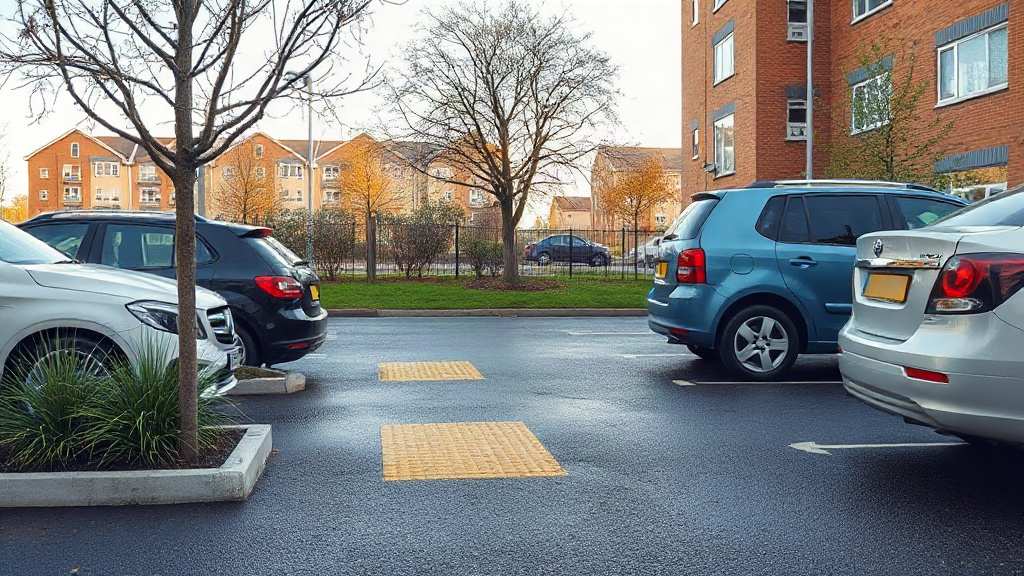
The safety case rests on three effects: water on the surface, water in the structure, and ice when temperatures drop.
Standing water causes hydroplaning. A thin film of water over asphalt can lift tires and remove steering control, even at modest speeds. Painted lines and markings become invisible under a puddle, so drivers miss stop bars and space boundaries. Pedestrians face the same problem, often stepping into traffic to avoid a flooded crossing point.
Below the surface, trapped water is just as harmful. It seeps into the base layers and weakens the support under the asphalt. Repeated freeze-thaw cycles heave and crack the pavement, and potholes follow. A poorly drained lot ages far faster than a dry one, so maintenance budgets climb while safety falls.
Then comes winter. Water that lingers in shaded corners refreezes overnight into black ice. Salt and sand wash away before they can help. Plowed snow piles block inlets, and the next thaw floods the lot. Storage and travel paths degrade together. Rising rainfall intensity in many regions makes this worse, which is reason alone to build in a safety margin. The cold-weather driveway planning guide covers how cold seasons stress pavement and how to plan around them.
Liability adds a financial edge. An owner who knows about chronic flooding and does nothing carries evident risk. Clear maintenance records show diligence if a claim ever arrives.
A persistent puddle after rain usually means a settled low spot or a blocked path, not just a shallow dip. Investigate the cause instead of patching the surface.
Takeaway: drainage protects people first and pavement second, and both benefits compound over the life of the lot.
Best practices
Get the slope right before anything else. Aim for a continuous fall from the back of each stall toward collection points. Avoid flat pockets where water can sit, especially near accessible spaces and building entrances. A laser level check during construction catches errors while they are still cheap to fix.
Size the system for a storm larger than the average. Use local rainfall data, and confirm the required return period with your code office. Oversizing pipes and inlets by a modest margin costs little compared with a flooded lot.
Spread the load across several inlets. One large grate in a low corner fails completely when blocked; three smaller inlets in a row keep draining even if one clogs.
Practical steps to plan and protect a lot
- Map existing water flow so the design works with the site rather than against it.
- Separate clean runoff from polluted flow and route it through sediment control before discharge.
- Schedule inspections at least twice a year and after major storms.
- Clear grates and channels before autumn leaf fall and again in spring.
- Keep a maintenance log with dates, findings, and repairs.
Choose materials that match the job. Conventional asphalt is fine where slopes are reliable; permeable surfaces suit low-traffic areas with good base conditions. Confirm the base design either way.
Leave room for a vacuum truck or a crew with hand tools to reach every catch basin. Inaccessible inlets get skipped, and skipped inlets fail.
Takeaway: good drainage planning means good slope, generous sizing, multiple collection points, and a schedule that keeps them clear.
Common mistakes to avoid
The most expensive error is paving first and planning drains later. Retrofitting a lot means cutting asphalt, disturbing base layers, and often re-grading stalls. Costs multiply, and temporary fixes tend to return within a season.
Another frequent mistake is relying on a single low point. A lone drain in the corner becomes the whole system, so one bag of leaves can flood the lot. Blocked inlets are the most common cause of parking-area flooding, and backup capacity prevents it.
Ignoring the surrounding ground hurts too. Water from an uphill field or neighboring roof can overwhelm a well-built lot. Direct off-site flow around the lot, not through it.
Owners also skip maintenance. Catch basins fill with grit and debris and quietly stop working. Without inspections, nobody notices until the first heavy rain. Underestimating the winter dimension causes repeat problems, as freeze-thaw damage builds season after season.
Finally, many plans forget pedestrians and accessible spaces. A puddle beside a ramp or an accessible stall can make that parking unusable. Route surface water away from those areas and keep them slightly raised where possible.
Takeaway: most drainage failures trace back to late planning, single points of failure, and neglected upkeep.
FAQ
How much does drainage planning add to a parking project?
It depends on the site and local rainfall. For a small lot, a proper slope and a few trench drains are a modest share of the paving cost. Complex sites with detention needs cost more, but repairing flood damage is usually higher.
When should drainage be designed?
Before grading and paving, ideally at the same time as the site layout. Once asphalt is down, retrofitting is disruptive and expensive.
Can I fix a puddle without rebuilding the lot?
Sometimes. A localized dip can be patched or re-graded, and a blocked inlet may just need clearing. Recurring flooding usually points to a design problem that needs engineering input.
How often should drains be inspected?
At least twice a year, plus after major storms. Lots with trees need more frequent checks before leaf fall.
Does permeable paving replace a drainage plan?
No. It reduces runoff but still needs a designed base, an overflow path, and periodic cleaning.
Conclusion
A safer parking area starts underground. Correct slope, properly sized inlets, multiple collection points, and steady maintenance keep water moving and people safe. The cheapest time to plan drainage is before construction; the next best time is now. Walk your lot after the next rain, note where water sits, and clear every inlet. Then book an inspection and write down what you find. That simple routine is how drainage planning matters for safer parking, year after year.