
Special Education Paraeducator Onboarding Steps
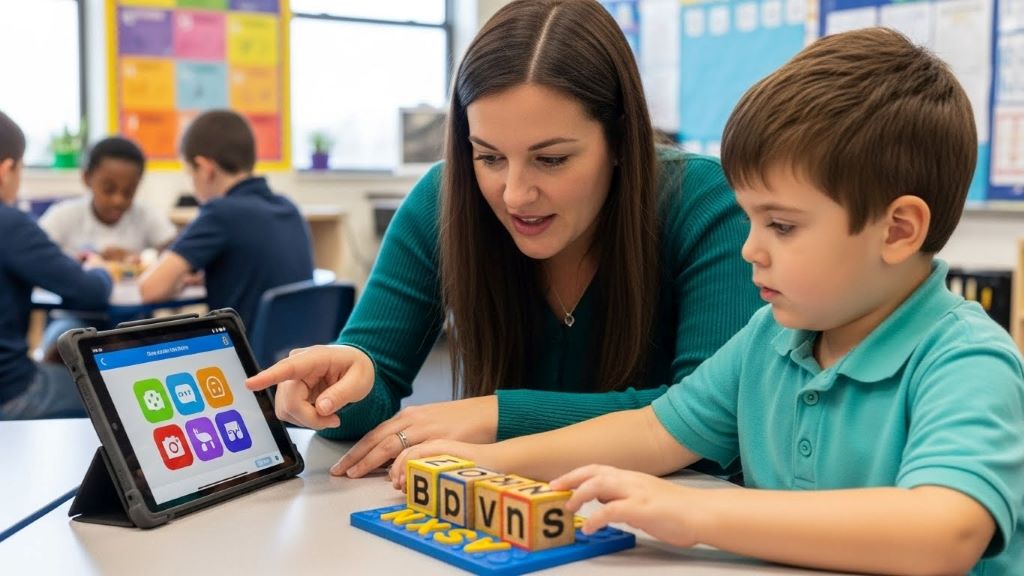
Starting a career in special education is both rewarding and challenging. Paraeducators play a vital role in supporting students with diverse needs. They work alongside teachers to create inclusive learning environments. The onboarding process sets the foundation for success in this important position. At Education Guide Blog, we provide comprehensive resources for aspiring education professionals.
Special education paraeducators assist students who need additional support. They help with academic tasks, behavioral management, and daily activities. Moreover, they serve as bridges between students and teachers. The demand for qualified paraeducators continues to grow nationwide. Schools need dedicated individuals who understand student needs.
Understanding how to become a paraeducator is just the first step. Once hired, proper onboarding ensures you can perform effectively. This process familiarizes you with school policies, student needs, and teaching strategies. Therefore, comprehensive onboarding is essential for both new hires and the students they serve.
Understanding the Paraeducator Role in Special Education
Paraeducators work directly with students who have individualized education programs. These students may have learning disabilities, autism, physical challenges, or emotional needs. Your role involves implementing strategies that teachers design. You provide one-on-one or small group instruction. Additionally, you monitor student progress and report observations.
The position requires patience, flexibility, and compassion. Each student has unique strengths and challenges. You must adapt your approach constantly. Furthermore, you collaborate with multiple professionals. These include special education teachers, therapists, and school psychologists. Communication skills are therefore essential.
Paraeducators also assist with non-instructional tasks. You may help with mobility, feeding, or personal care. Some students need support during transitions between activities. Others require behavior redirection throughout the day. Consequently, your responsibilities vary greatly depending on student assignments.
Pre-Onboarding Preparation
Before your first official day, schools often complete preliminary steps. Background checks are mandatory for all education positions. These typically include criminal history and fingerprinting. Some districts also require health screenings or tuberculosis tests. Completing these requirements quickly speeds up your start date.
You should also gather necessary documents. Bring identification, educational transcripts, and certifications. Some states require paraeducator permits or licenses. Check your state’s specific requirements beforehand. Having everything ready demonstrates professionalism and preparedness.
Many districts send welcome packets before orientation. These contain employee handbooks, benefit information, and schedules. Review these materials thoroughly. Write down questions you want to ask. This preparation helps you maximize your onboarding experience.
First Week Orientation and Training
The first week typically focuses on general orientation. You learn about district policies, procedures, and expectations. Human resources covers employment basics like payroll and benefits. Additionally, you receive building-specific information about your assigned school.
Safety training is a critical component. You learn emergency procedures including lockdowns and evacuations. Fire drills, tornado procedures, and medical emergency protocols are covered. Furthermore, many districts provide training on bloodborne pathogens and universal precautions. These sessions protect both you and students.
Technology orientation is increasingly important. You receive login credentials for various systems. These might include student information databases, email, and learning management platforms. Practice using these tools early. Technical proficiency helps you support students more effectively.
Understanding Individualized Education Programs
Individualized Education Programs, or IEPs, guide your daily work. These legal documents outline each student’s needs and goals. During onboarding, you learn how to read and implement IEPs. Special education coordinators typically lead this training.
Each IEP contains several key sections. The present levels of performance describe current abilities. Goals and objectives specify what students should achieve. Accommodations and modifications explain how to adjust instruction. Related services detail additional support like speech therapy.
Your role involves implementing these plans faithfully. You must follow accommodations exactly as written. However, you also observe what works and what doesn’t. Teachers rely on your feedback to update IEPs. Therefore, understanding these documents is fundamental to your success.

Behavior Management and Crisis Intervention
Behavior support is often a primary paraeducator responsibility. During onboarding, you learn positive behavior intervention strategies. These approaches focus on preventing problems before they escalate. You discover how to reinforce positive behaviors effectively. Additionally, you learn de-escalation techniques for challenging situations.
Many districts require crisis intervention training. Common programs include CPI, MANDT, or Handle with Care. These teach safe physical intervention when necessary. However, the emphasis is always on prevention. You learn to recognize triggers and early warning signs.
Each student may have a behavior intervention plan. These documents specify strategies for particular students. During onboarding, review plans for your assigned students. Discuss strategies with the supervising teacher. Role-playing scenarios helps build confidence before real situations arise.
Communication and Collaboration Protocols
Effective communication is vital in special education settings. During onboarding, you learn how to share information appropriately. Confidentiality rules are strictly enforced. Student information cannot be discussed outside professional contexts. According to Education Week, maintaining student privacy is a legal and ethical obligation.
You learn proper channels for reporting concerns. Some issues go directly to the classroom teacher. Others require administrator involvement. Understanding these protocols prevents confusion later. Additionally, you discover how to document student progress accurately.
Collaboration with related service providers is common. You might work alongside speech therapists, occupational therapists, or counselors. During onboarding, you meet these professionals. Learning their roles helps coordinate student support. Furthermore, you discover how your work complements theirs.
Classroom Procedures and Routines
Each classroom operates with specific procedures and routines. During onboarding, you observe and practice these systems. Morning arrival procedures set the tone for the day. You learn how students enter, store belongings, and begin work. Consistency in these routines helps students feel secure.
Transition procedures are particularly important in special education. Many students struggle with changes between activities. You learn strategies that make transitions smoother. Visual schedules, timers, and verbal warnings all help. Additionally, you discover how to support students who need extra time.
Instructional routines vary by grade level and student needs. Elementary classrooms differ from high school settings. You observe how teachers deliver lessons and assess understanding. Furthermore, you learn where materials are stored and how to access them. This knowledge allows you to support instruction independently.
Assistive Technology and Adaptive Equipment
Many special education students use assistive technology. During onboarding, you receive training on relevant devices. These might include communication devices, tablets with specialized apps, or adapted keyboards. Learning to operate and troubleshoot this equipment is essential.
Some students require adaptive physical equipment. This includes wheelchairs, walkers, or specialized seating. You learn proper techniques for assisting with mobility. Safety is paramount when helping students move or transfer. Additionally, you discover how to adjust equipment for individual students.
Software and applications require specific training. Students might use programs for reading, math, or communication. You learn how to launch applications, save work, and report technical problems. Technology enhances learning when used correctly. Therefore, building these skills during onboarding is time well spent.
Health and Medical Considerations
Some students have health conditions requiring daily attention. During onboarding, you receive necessary medical training. This might include administering medications, managing feeding tubes, or monitoring glucose levels. School nurses typically provide this specialized instruction.
Allergy awareness is increasingly important. You learn which students have severe allergies. Emergency procedures for allergic reactions are practiced. Additionally, you discover how to use epinephrine auto-injectors if needed. This knowledge can literally save lives.
Seizure protocols are another common training topic. You learn to recognize different seizure types. Additionally, you practice appropriate responses and documentation. Staying calm during medical situations reassures students and staff. Furthermore, proper response protects student health and safety.
Cultural Competency and Inclusive Practices
Special education serves students from diverse backgrounds. Cultural competency training helps you understand different perspectives. You learn how culture influences communication styles and family involvement. Additionally, you discover strategies for working with families who speak different languages.
Inclusive practices benefit all students. During onboarding, you explore how to promote belonging. This includes using person-first language and respecting student dignity. You also learn how to facilitate peer interactions. Students with disabilities benefit from friendships with typically developing peers.
Trauma-informed practices are increasingly emphasized. Many students have experienced adversity affecting their learning. You discover how trauma impacts behavior and academic performance. Furthermore, you learn approaches that create emotionally safe environments. These practices support healing while promoting growth.
Data Collection and Progress Monitoring
Tracking student progress is an important paraeducator responsibility. During onboarding, you learn various data collection methods. These might include frequency counts, duration recording, or skill checklists. Accurate data helps teachers make informed decisions about instruction.
You practice using data collection tools. Some schools use paper forms while others prefer digital systems. Understanding the purpose behind data collection increases accuracy. Additionally, you learn how often to collect data for different goals. Consistency in data collection ensures reliable information.
Progress monitoring reveals what’s working and what isn’t. Teachers analyze data to adjust instruction accordingly. Your careful documentation directly impacts student outcomes. Therefore, mastering these skills during onboarding is crucial. Furthermore, you discover how your observations complement quantitative data.
Building Relationships with Students and Families
Strong relationships form the foundation of effective support. During onboarding, you learn strategies for connecting with students. Building trust takes time and consistency. You discover how to show respect while maintaining appropriate boundaries. Additionally, you learn about students’ interests, strengths, and preferences.
Family partnerships enhance student success. Schools encourage paraeducator communication with families. However, this communication follows specific protocols. Your supervising teacher guides what information to share. Generally, you report positive observations and defer complex questions to teachers.
Some districts organize meet-and-greet events before school starts. These allow you to meet students and families informally. Such events ease first-day anxiety for everyone. Furthermore, they demonstrate your commitment to student success. Building these connections early pays dividends throughout the year.
Professional Development and Growth Opportunities
Onboarding is just the beginning of professional learning. Many districts offer ongoing training throughout the year. Topics might include new teaching strategies, technology updates, or specialized interventions. Taking advantage of these opportunities improves your effectiveness. Moreover, it demonstrates commitment to professional growth.
Some states require continuing education for paraeducators. This might involve college courses or district-provided workshops. Check your state’s requirements early in your career. Planning ahead helps you meet obligations without stress. Additionally, education often leads to higher pay scales.
Professional organizations support paraeducator development. Groups like the National Resource Center for Paraeducators provide resources and networking. According to NPR, investing in paraeducator training improves student outcomes significantly. Joining professional communities connects you with others in similar roles. Furthermore, these organizations advocate for paraeducator interests.
Self-Care and Burnout Prevention
Working in special education can be emotionally demanding. During onboarding, districts increasingly address self-care. You learn strategies for managing stress effectively. Setting boundaries protects your wellbeing. Additionally, you discover resources available when you need support.
Recognizing burnout signs helps you intervene early. Chronic exhaustion, cynicism, and reduced effectiveness indicate problems. Don’t ignore these warning signs. Speak with supervisors about workload concerns. Furthermore, utilize employee assistance programs if available.
Work-life balance is essential for longevity in this field. Develop interests outside of work. Connect with colleagues who understand your challenges. Additionally, celebrate small victories with students. These positive moments sustain you through difficult times. Remember that taking care of yourself enables you to care for students.
Conclusion
Comprehensive onboarding prepares paraeducators for success in special education. The process covers essential knowledge about policies, procedures, and student needs. You learn behavior management, communication protocols, and data collection methods. Additionally, training on IEPs, assistive technology, and health considerations ensures safety and effectiveness.
The onboarding period establishes the foundation for your career. Strong relationships with students, families, and colleagues enhance your impact. Ongoing professional development continues your growth beyond initial training. Furthermore, attention to self-care prevents burnout and sustains your passion.
Special education paraeducators make profound differences in students’ lives. Your support enables students to access education and reach their potential. The onboarding process equips you with tools needed for this important work. Embrace the learning process, ask questions, and remain committed to excellence. Your dedication will positively impact countless students throughout your career.
Frequently Asked Questions
How long does paraeducator onboarding typically take?
Onboarding duration varies by district but typically lasts one to two weeks. Some districts conduct intensive training before school starts. Others spread onboarding over the first month of employment. Larger districts often have more comprehensive programs. Smaller districts might provide shorter, focused training with ongoing support.
Do I need a college degree to become a paraeducator?
Requirements vary by state and district. Some positions require only a high school diploma. Others need an associate degree or 48 college credits. Many states now require paraeducator certification or permits. Check your specific state requirements before applying. Additional education often leads to better pay and advancement opportunities.
What is the difference between a paraeducator and a teacher’s aide?
The terms are often used interchangeably. However, paraeducators typically have more specialized training. They work specifically with students who have IEPs. Teacher’s aides might support general education classrooms. Paraeducators often require certification that aides don’t need. Job responsibilities also tend to be more specialized for paraeducators.
Can paraeducators work one-on-one with students?
Yes, many paraeducators provide one-on-one support. Some students have IEPs specifying individual assistance. However, paraeducators work under teacher supervision and direction. They implement strategies that teachers design. Additionally, they report progress and concerns to supervising teachers. The level of independence varies based on experience and district policies.
What career advancement opportunities exist for paraeducators?
Many paraeducators pursue teaching credentials. Some become special education teachers after completing required education. Others advance to lead paraeducator or specialist positions. Some districts have career ladder programs with increasing responsibility and pay. Additionally, experience as a paraeducator provides valuable insight for related careers like school counseling or therapy.
Related Topics:
Is Sacred Riana Really Possessed? Uncovering the Truth Behind the Mystery