
Men’s Surf Shirt with UV Protection: Your Complete Guide to Smart Sun Safety
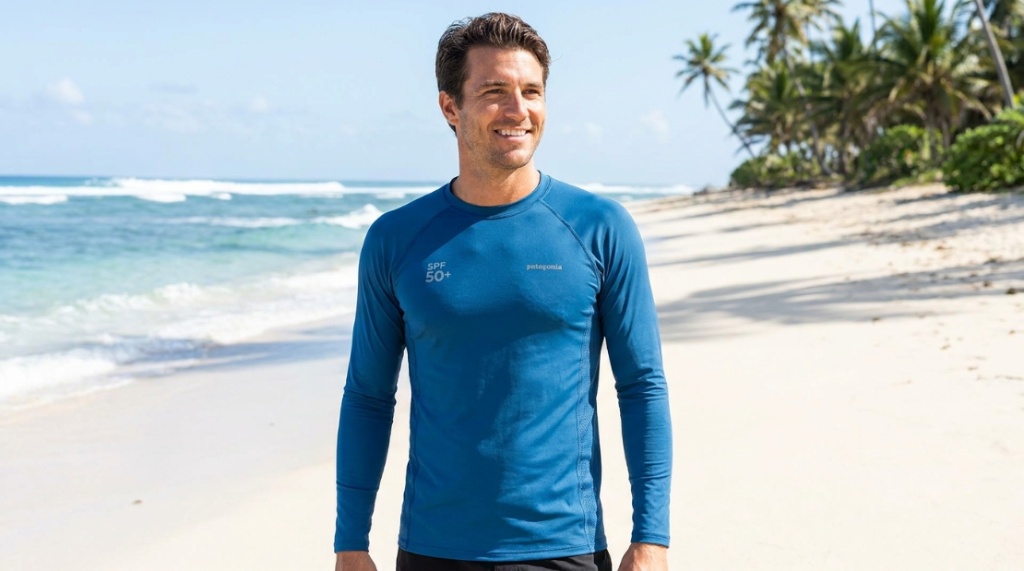
You’ve planned the perfect beach day. The waves are glassy, the offshore breeze is light, and the forecast calls for clear skies. But that blazing sun? It doesn’t care about your plans. It will burn your shoulders, fade your skin, and ruin your session if you let it. The question isn’t whether you need protection—it’s what kind. While sunscreen seems like the obvious answer, it washes off, wears off, and often misses those tricky spots like the back of your neck. That’s why more surfers are turning to a smarter solution: a dedicated men’s surf shirt with UV protection. But not all of them are created equal, and choosing the wrong one can leave you uncomfortable, chafed, or worse—still sunburned.
This guide breaks down exactly what makes a surf shirt effective for sun defense, how to interpret UPF ratings, and what features actually matter when you’re paddling out. We’ll help you sort through the technical jargon so you can pick a top that works with your body, your board, and your local break. By the end, you’ll know precisely what to look for—and what to avoid—so your next beach adventure doesn’t end with a painful burn.
Key Takeaways
- UPF 50+ blocks approximately 98% of UV rays, making it the gold standard for sun protection during long water sessions.
- Fit matters more than fabric weight: a snug but non-restrictive fit prevents “board rash” friction and keeps the shirt in place while surfing.
- Pay attention to the fabric blend—polyester and elastane/spandex typically dry faster and stretch better than cotton-heavy blends.
- Flatlock stitching and raglan sleeves are practical design details that reduce chafing and improve paddle mobility.
- Rinse your shirt with fresh water immediately after saltwater sessions to maintain elasticity and UPF integrity over time.
Why Standard T-Shirts Aren’t Enough in the Water
Many guys grab an old cotton tee before running out the door, assuming it offers decent coverage. That assumption is risky. Cotton absorbs water, becomes heavy, and loses almost all of its protective capability when wet. In fact, a dry cotton shirt may offer protection, but when saturated, it stretches thin, sticks to skin, and allows UV rays to penetrate more easily. You’re basically paddling in a wet rag.
Surf-specific sun shirts are engineered differently. They use synthetic fibers tightly woven to maintain structure even underwater. More critically, they carry a UPF (Ultraviolet Protection Factor) rating, which measures how much UV radiation penetrates the fabric. While a standard color tee might block some rays, it lacks the certified, tested reliability of a purpose-built garment. For long sessions where you’re repeatedly diving under waves and lying on a hot board, the right shirt is a non-negotiable piece of safety gear, not just apparel.
You might be tempted to rely solely on waterproof sunscreen. But surfers know that wax, sand, and wave impact accelerate product failure. A quality shirt provides a physical barrier that doesn’t sweat off. It also protects from the sun reflecting off the water’s surface—exposure that hits the underside of your chin and nose, areas you cannot shield with clothing. This is why choosing the right men’s surf shirt with UV protection is fundamental for anyone logging serious water time.
Decoding UPF Ratings: What “50+” Actually Means
UPF is the standard for clothing, similar to SPF for sunscreen, but it measures fabric, not lotion. When you see a shirt labeled UPF 50+, it means it allows only 1/50th of the sun’s UV radiation to reach your skin. That translates to roughly 98% of harmful rays being blocked. It’s a high standard, and it’s the threshold you should look for if you’re spending more than an hour in direct sunlight.
The Difference Between UPF 30 and UPF 50
It’s easy to assume UPF 30 is nearly as good as UPF 50, but the math tells a different story. UPF 30 allows about 3.3% of UV radiation through, meaning 96.7% is blocked. UPF 50 allows only up to 2% through. While that 1.3% difference seems minor at first, over a two-hour surf session, it represents a significant increase in cumulative UV exposure to vulnerable areas like the shoulders and upper back. For fair-skinned individuals or those surfing in equatorial regions, that difference is the line between safe and burned.
It’s also crucial to understand that UPF testing involves fabric that is stretched and wet—simulating wear conditions. A cheap shirt might claim UPF but lack rigorous testing. Look for labels that reference standard tests like ASTM International or AS/NZS 4399. These standards ensure the rating reflects the garment’s performance when you’re actually wearing it in the waves.
Key Features to Look for in a Surf Top
UPF isn’t the only metric that separates a good surf shirt from a frustrating one. The construction and design dictate how well it performs during duck dives and pop-ups. Here’s what to evaluate before you buy:
Fabric Composition and Weight
Most high-performing surf shirts are made from recycled polyester or nylon blended with elastane (spandex). This combination offers four-way stretch and excellent moisture-wicking properties. A heavier fabric (think 6oz or more) offers durability but can feel hot in tropical climates. A lighter, thinner knit is cooler but may not withstand frequent contact with a rough waxed board. Choose based on your local water temperature and air heat—not just the label.
Seam Construction
Standard overlock seams are bulky and cause irritation when you’re lying on a board. Flatlock seams lay flat against the skin, significantly reducing chafing. Some premium shirts with UV protection also utilize seam-free side panels, which eliminate friction points entirely. Run your hand inside the shirt—if you feel rough ridges, you’ll feel them even more acutely after forty minutes of paddling.
Sleeve Length and Collar
This is where you choose between mobility and skin coverage. Short sleeves offer maximum freedom for paddling, leaving your deltoids exposed—which you’ll need to cover with sunscreen. Long sleeves provide more sun defense and warmth but can feel restrictive if the bicep fit is too tight. Regarding the collar, a crew neck is standard, but a higher “sun collar” that pops up protects the back of the neck, a common burn spot that lies flat on the board.
Fit Guide: Snug vs. Loose
Surf shirts are not fashion statements; they serve a specific hydro-dynamic purpose. If your shirt is loose, water rushes inside, creating drag and causing the fabric to flap against your skin. This leads to chafing and slows your paddle stroke significantly.
Look for a fit that is snug—like a second skin—but not compressive enough to restrict deep breaths or shoulder rotation. The hem should stay tucked under board shorts or a wetsuit top without constantly riding up. If you move your arms overhead and the shirt pulls at the shoulder blades, it’s too small. If you can pinch fabric at the lower back easily, it’s likely too big. This athletic fit is critical; consider sizing up if your shoulders and back—common dimensions for surfers—fall between standard sizes. Before heading out to catch some waves, make sure your complete gear setup is optimized by reading our guide on how to select surf training leggings.
Wetsuit vs. Sun Shirt: When to Wear Which
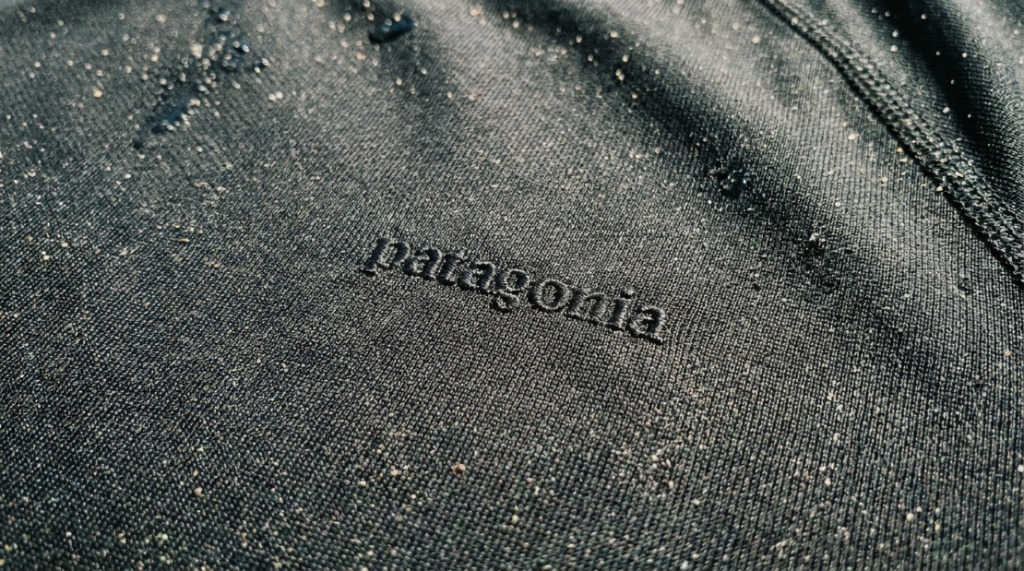
Understanding the difference prevents overheating or freezing. A wetsuit’s core job is insulation—trapping a thin layer of water between your body and the neoprene to warm it. In water below roughly 65°F, a wetsuit is necessary for safety. However, in summer months, trunk weather, or tropical line-ups, a wetsuit is overkill.
A surf shirt is not a thermal layer. It offers zero insulation. It is strictly for sun protection and minor abrasion resistance. You wear it when the water is warm enough that you’d normally wear just board shorts, but you want to avoid burning. It’s also an excellent base layer under a loose-fitting wetsuit jacket in cooler weather, offering added UV defense during long periods of paddling when the suit is unzipped.
Choose a wetsuit for cold. Choose a surf shirt for comfort and sun safety. Mixing them is acceptable, but never wear a sun shirt alone as a substitute for thermal protection in cold water.
Care and Longevity: Maintaining UPF Integrity
The sun shirt you buy today will only protect you if you maintain it correctly. UPF protection is woven into the fiber, unlike chemical treatments that wash out. However, physical damage and chlorine/salt degradation can compromise the fabric’s density. Over time, stretching, pilling, and thinning reduce effectiveness.
Proper Washing
Always rinse your shirt in cold freshwater immediately after use. Salt crystals are abrasive and cut fibers. Do not wring it out aggressively; instead, press the water out or roll it in a towel. Wash on a delicate cycle with mild detergent—never use fabric softeners, as they coat fibers and clog their breathability. Air dry only. Tumble drying generates heat that can break down the elastane, causing the shirt to lose its stretch and shape.
Watch for wear indicators. If the fabric starts to look “see-through” when you stretch it, or if pills form on the shoulders where the board rubs, it’s time to replace it. Safety gear has a lifespan; a faded, stretched-out shirt offers a false sense of security.
Common Mistakes When Buying Sun Protection Shirts
Making an error here often results in a shirt that stays in the drawer. Here is what frequently goes wrong:
- Buying too large: Guys often buy loose shirts to stay cool. But in the water, loose fabric balloons and chafes. It also allows UV rays to hit skin when the shirt shifts.
- Ignoring the “wetsuit shoulder”: Raglan sleeves (cut in one piece to the collar) allow a greater range of motion than “set-in” sleeves. If you cannot rotate your shoulder fully, your stroke will fatigue quickly.
- Choosing dark colors only: While darker colors block more UV, they absorb heat. If you surf in hot climates, a light-colored shirt with a high UPF weave will keep you cooler without sacrificing safety.
- Forgetting the zinc factor: A shirt cannot protect your face. You still need reef-safe zinc oxide on your nose, ears, and lips. The shirt replaces body sunscreen, not face sunscreen.
How to Choose the Right Shirt for Your Climate
Your local break dictates which shirt specs you prioritize.
| Climate Condition | Recommended Fabric | Key Feature |
|---|---|---|
| Tropical/Hot (Water above 75°F) | Lightweight mesh or micro-perforated knit | Sleeveless or short-sleeve for airflow; lighter colors to reflect heat. |
| Temperate/Warm (Water 65–75°F) | Standard 4-way stretch UPF 50+ | Short sleeve with flatlock seams for paddle comfort. |
| Cool/Overcast (Water below 65°F) | Long-sleeve with a tighter weave | High collar for neck coverage; suitable as a wetsuit base layer. |
Also, consider the air temperature. Getting out of the water into a cool ocean breeze can cause chills even if the water is warm. In this case, a long-sleeve shirt helps maintain core temperature during the “walk of shame” back to your car or the lineup wait between sets.
Frequently Asked Questions
Can I wear a normal rash guard for UV protection?
No, not reliably. A standard rash guard focuses on preventing chafing, not sun damage. Look for an explicit UPF 50+ label. Many rash guards offer no sun rating, while a surf-specific sun shirt is independently tested for its block rate.
Is UPF 50+ better than wearing high-SPF sunscreen?
They serve different purposes. UPF 50+ clothing offers consistent, physical protection that doesn’t wash off. Sunscreen is necessary for exposed areas like your face. For your torso and arms, a UPF shirt is superior because it eliminates the risk of user error in applying sunscreen evenly.
How often should I replace my surf shirt?
With regular use and proper care, expect 6 to 12 months of reliable protection. If you surf multiple times per week, check the fabric monthly for thinning or stretching. When the shirt loses its snug fit or becomes see-through under tension, retire it.
Will a surf shirt keep me warmer in the water?
It provides minimal insulation, mostly by trapping a very thin layer of water. It is not a substitute for a wetsuit. It can reduce wind chill when you exit the water, but it won’t warm you in cold water sessions.
Can I wear this shirt for other activities?
Absolutely. These shirts are excellent for paddleboarding, kayaking, swimming, or running. They dry quickly and offer the same UV protection on land or in freshwater lakes, making them a versatile part of your outdoor gear.
Conclusion
Investing in a men’s surf shirt with UV protection is one of the simplest, most effective decisions you can make for your long-term health and comfort in the water. It removes the guesswork of re-applying sunscreen to hard-to-reach places and gives you the confidence to paddle out for a midday session without sacrificing your skin. You now know to prioritize UPF 50+, a snug athletic fit, and flatlock stitching for anti-chafe performance. Remember to rinse it after every use and retire it as soon as the fabric shows signs of wear.
Your next beach adventure should be about catching waves and creating memories, not nursing a burn. Evaluate the climate you surf in, match the shirt’s features to your needs, and get out there. Your skin—and your future self—will thank you.