
How to Find the Safest Baby Bathtub for Stress-Free Bath Time
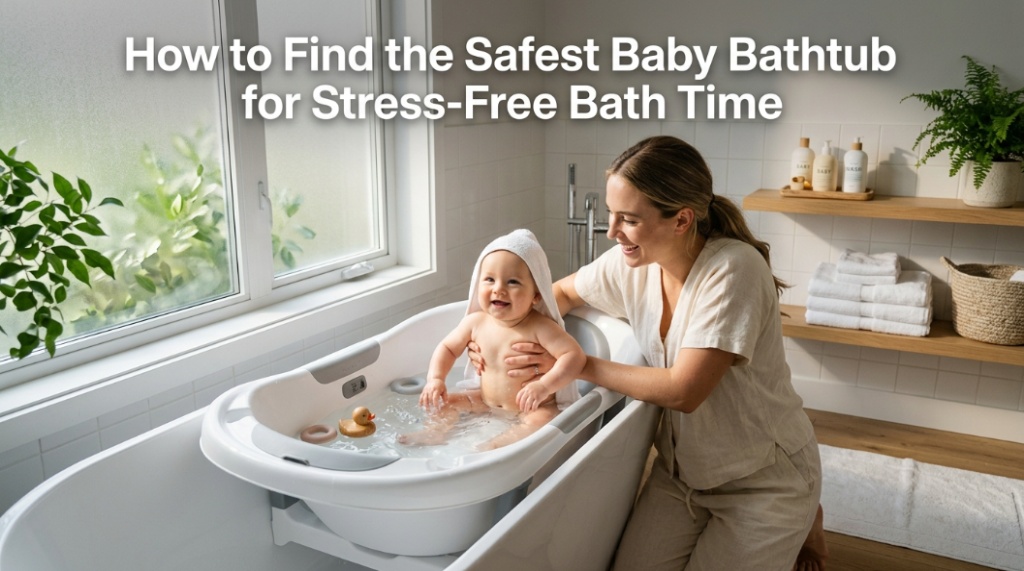
One slippery inch can turn a peaceful evening into a panic-filled moment, which is why baby bath safety checklist matters more than cute colors or trendy tub designs. The safest baby bathtub combines anti-slip support, BPA free baby tub materials, secure infant bathing features, and a size that matches your baby’s age and movement stage.
What Makes a Baby Bathtub Safe for Newborns and Infants?
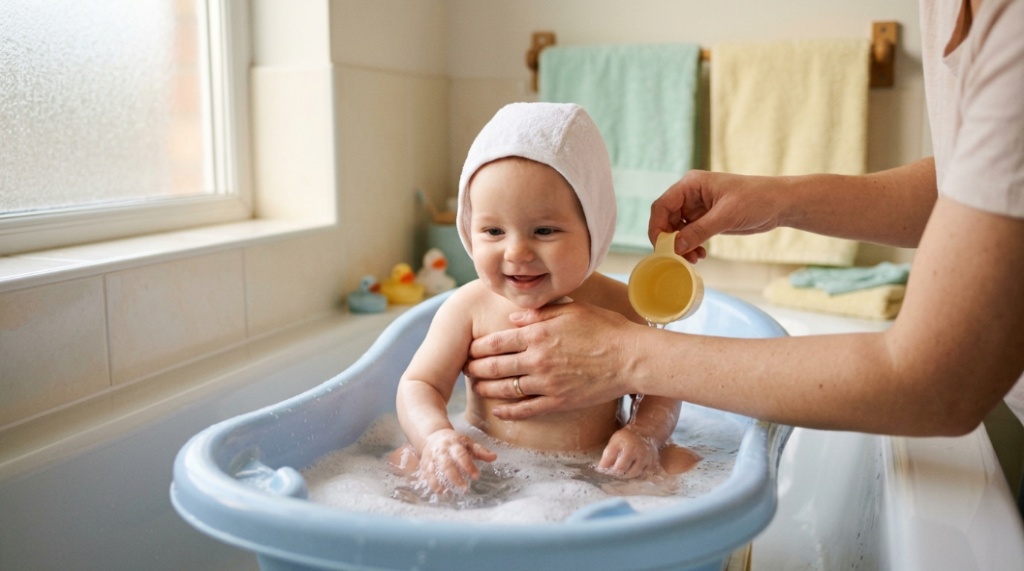
A safe baby bathtub supports your baby’s body securely, prevents slipping, uses non-toxic materials, and allows parents to maintain stable control during bath time.
Many parents focus on appearance first. But safety experts and pediatricians recommend prioritizing structure, stability, and material quality before anything else. According to injury prevention data from organizations like the American Academy of Pediatrics, drowning can happen silently and within seconds, even in shallow water.
That’s why secure infant bathing starts with choosing the right tub.
The safest tubs usually include:
- Non-slip base
- Ergonomic newborn support
- BPA-free plastic materials
- Mildew-resistant surfaces
- Stable locking or support systems
- Drain plugs for quick emptying
- Rounded edges without sharp plastic seams
A newborn lacks neck control. A poorly designed bathtub can shift body weight awkwardly and increase slipping risk. A secure infant bathing setup reduces stress for both parent and baby.
Why Is Choosing the Wrong Baby Tub Risky?
An unsafe baby tub can increase slipping, tipping, drowning, skin irritation, and accidental injury risks during bath time.
Bath accidents happen more often than many parents expect. Even a few inches of water can become dangerous if a baby slides under water unexpectedly.
Common problems with low-quality baby tubs include:
- Weak plastic that bends under weight
- No head or neck support
- Toxic plastic chemicals
- Unstable folding legs
- Slippery interior surfaces
- Poor drainage causing mold growth
Cheap plastic tubs may contain harmful chemicals such as BPA, phthalates, or PVC compounds. Babies have more sensitive skin and immune systems, making material safety essential.
A BPA free baby tub lowers exposure to potentially harmful chemicals while supporting healthier daily care routines.
How Can Parents Use a Baby Bath Safety Checklist?
A baby bath safety checklist helps parents evaluate bathtub safety, bathing setup, water temperature, and supervision habits before every bath.
Instead of guessing, use a structured checklist during shopping and daily use.
Essential Baby Bath Safety Checklist
- Choose a BPA free baby tub
- Confirm non-slip bottom support
- Check newborn neck and spine support
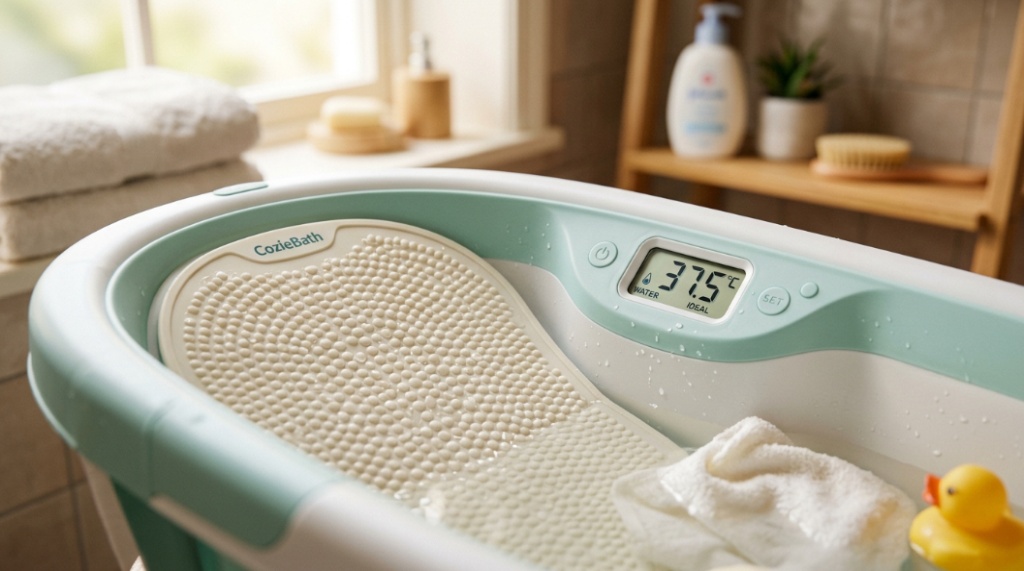
- Use warm water between 37°C and 38°C
- Keep water depth under 2 inches for newborns
- Place tub on flat stable surface
- Keep towels and supplies within reach
- Never leave baby unattended
- Inspect tub regularly for cracks or mold
- Dry tub completely after use
Many pediatric bath safety recommendations focus more on supervision than equipment. Even the safest tub cannot replace active parental attention.
What Features Should Parents Look for in a BPA Free Baby Tub?
The best BPA free baby tub should combine non-toxic materials, ergonomic support, anti-slip protection, and easy cleaning features.
Material quality matters because babies absorb environmental chemicals more easily through skin contact and hand-to-mouth behavior.
Important Safety Features
| Feature | Why It Matters |
|---|---|
| BPA-Free Plastic | Reduces exposure to harmful chemicals |
| Non-Slip Interior | Helps prevent sliding during movement |
| Mesh Sling Support | Supports newborn positioning safely |
| Temperature Indicator | Helps prevent overheating risks |
| Drain Plug | Makes cleaning faster and more hygienic |
| Mold Resistant Design | Reduces bacteria and mildew buildup |
| Compact Foldable Design | Improves storage without sacrificing stability |
Parents should also check certifications when available. Safety labels from trusted testing standards provide additional reassurance.
Are Foldable Baby Bathtubs Safe?
Foldable baby bathtubs can be safe if they include strong locking mechanisms, stable legs, and anti-slip support.
Modern foldable tubs are popular because they save space in smaller homes and apartments. However, low-quality foldable hinges can become unstable over time.
Before buying a foldable tub, test:
- Leg locking strength
- Base wobbling
- Weight distribution
- Rubber grip stability
- Water drainage system
A secure infant bathing setup should never feel shaky or unstable.
Parents living in apartments often prefer foldable tubs because they simplify storage while maintaining proper bathing ergonomics.
Which Baby Bathtub Types Are Safest?
Convertible tubs with ergonomic newborn support and non-slip interiors are generally considered the safest option for long-term infant bathing.
Common Baby Bathtub Types
| Type | Best For | Safety Level |
|---|---|---|
| Newborn Recliner Tub | 0–3 months | High neck support |
| Convertible Baby Tub | 0–24 months | High versatility |
| Foldable Tub | Small spaces | Depends on stability |
| Sink Insert Bath | Newborns | Moderate support |
| Inflatable Tub | Travel use | Lower long-term durability |
Convertible tubs are often recommended because they adapt to different developmental stages. Babies grow quickly, and proper support changes over time.
How Important Is Anti-Slip Protection During Bath Time?
Anti-slip protection is one of the most critical baby bathtub safety features because wet surfaces dramatically increase slipping risk.
Babies naturally wiggle, kick, and twist during baths. Smooth plastic surfaces become extremely slippery when wet.
Good anti-slip systems include:
- Textured seating areas
- Rubber grip bottoms
- Padded inserts
- Secure recline supports
- Wide stable tub bases
Parents should still maintain one-hand contact whenever possible. Even high-end tubs cannot fully prevent movement-related slipping.
What Water Temperature Is Safest for Babies?
The safest baby bath water temperature is around 37°C to 38°C, which closely matches normal body temperature.
Babies have thinner skin than adults. Hot water burns can happen quickly.
Many modern baby tubs include built-in temperature strips or digital indicators. While useful, parents should still verify temperature manually.
Simple Water Temperature Test
- Use your wrist or elbow instead of fingers
- Water should feel warm, not hot
- Avoid rapidly running hot water near baby
- Fill cold water first, then warm water
Some pediatric burn units report that tap water above 49°C can cause burns within seconds.
Should Parents Choose Mesh Slings or Hard Plastic Support?
Mesh slings provide softer newborn support, while ergonomic hard plastic designs offer longer-term durability and easier cleaning.
Both options can be safe when designed properly.
Mesh Sling Advantages
- Gentle newborn positioning
- Reduced slipping
- Comfortable support
- Better body alignment
Hard Plastic Support Advantages
- Easier sanitation
- Longer lifespan
- Better for older infants
- Less fabric mildew risk
Parents should inspect mesh slings regularly for mold, stretching, or weakened attachment points.
How Can Parents Prevent Mold and Bacteria in Baby Tubs?
Parents can reduce mold and bacteria by drying the tub completely, cleaning regularly, and avoiding trapped moisture.
Warm humid environments allow bacteria and mildew to grow quickly.
Baby Tub Cleaning Routine
- Drain immediately after use
- Rinse soap residue thoroughly
- Dry using clean towel
- Air dry upright
- Disinfect weekly with baby-safe cleaner
- Inspect drain plugs and folds
Mold exposure may irritate sensitive baby skin and respiratory systems.
What Are Common Baby Bathing Mistakes Parents Make?
Most baby bathing mistakes involve distraction, incorrect water temperature, unstable setups, or poor supervision habits.
Even experienced parents can develop unsafe routines over time.
Common Bath Time Mistakes
- Leaving baby unattended “for one second”
- Using deep water
- Placing tub on elevated surfaces
- Ignoring slipping hazards
- Using adult bath products
- Not checking tub stability
- Using damaged baby tubs
Phone notifications, doorbells, and multitasking create major distractions during bath time.
Secure infant bathing requires full attention from start to finish.
How Often Should Babies Be Bathed?
Newborns usually only need bathing two to three times per week unless heavily soiled.
Overbathing may dry sensitive baby skin.
Daily cleaning can focus on:
- Face
- Neck folds
- Hands
- Diaper area
As babies become more active and mobile, bath frequency often increases naturally.
Are Baby Bathtub Temperature Sensors Worth It?
Temperature sensors add convenience and improve safety awareness, but they should never replace manual temperature checks.
Some smart tubs include:
- Digital thermometers
- Color-changing indicators
- Smartphone monitoring
- Heat-sensitive plugs
While useful, sensor accuracy may vary over time. Parents should still prioritize direct testing methods.
How Can Parents Create a Stress-Free Bath Time Routine?
A stress-free bath routine comes from preparation, consistency, and using a secure infant bathing setup designed for comfort and safety.
Babies respond well to predictable routines.
Simple Calm Bath Routine
- Prepare towel and supplies first
- Check water temperature
- Use gentle lighting
- Support baby securely
- Keep bath short for newborns
- Dry skin folds carefully afterward
Soft talking and eye contact also help babies feel calm and secure.
Conclusion: How Can Parents Choose Safest Baby Bathtub Confidently?
The safest baby bathtub is one that combines stability, ergonomic support, non-toxic materials, and reliable anti-slip protection while supporting secure infant bathing habits every day.
Parents do not need the most expensive tub. They need the safest setup. A high-quality BPA free baby tub with proper support and a strong baby bath safety checklist reduces stress, improves confidence, and helps create safer routines from the newborn stage onward.
Focus on safety before aesthetics. Prioritize supervision over convenience. Check stability before every use. Small precautions create major protection during infant bath time.
Bath time should feel calm instead of chaotic. Choosing the right baby bathtub helps parents focus less on fear and more on bonding moments that matter.
If you are shopping for a baby tub soon, use this guide as your safety checklist before buying. One smart decision today can make every future bath safer and easier.
Frequently Asked Questions About Safe Baby Bathtubs
What is the safest type of baby bathtub?
Convertible baby bathtubs with ergonomic newborn support, anti-slip interiors, and BPA-free materials are generally considered the safest option for long-term use.
How do I know if a baby tub is BPA free?
Check product labels, packaging, and manufacturer safety information. Reputable brands usually clearly state BPA-free certification on product listings.
Can I use a regular bathtub for a newborn?
Using a regular bathtub for a newborn is not ideal because newborns need specialized neck and body support. Infant bathtubs improve stability and safety.
How much water should be in a baby bathtub?
Most experts recommend keeping water depth under 2 inches for newborns and young infants to reduce drowning risk.
When should babies stop using baby bathtubs?
Babies usually transition out of baby tubs once they can sit steadily and safely in a regular bathtub, often between 6 and 12 months depending on development.
How often should I clean a baby bathtub?
Baby bathtubs should be rinsed and dried after every use and disinfected weekly to prevent mold and bacteria buildup.
Are inflatable baby tubs safe?
Inflatable baby tubs can work for temporary travel use, but they often provide less stability and durability compared to structured ergonomic tubs.