
Why Boston, MA Authors Miss Euro Event Flights
Boston authors miss European event flights due to coastal fog delays at Logan International Airport. Furthermore, unrealistic layover schedules and crowded transatlantic boarding windows cause missed connections. Writers can prevent these issues by booking morning departures and building four-hour layovers.
International literary travel demands strict time management. Aviation data shows that Logan Airport experiences departure delays on 22 percent of autumn evenings. Additionally, over 35 percent of transatlantic travelers report tight European transit windows.
Writers often rush through security checkpoints with bulky manuscript copies. When preparing international itineraries, researching proven Frankfurt book fair tips helps travelers avoid major transit headaches. Smart scheduling protects your publishing schedule and speaking engagements.
Key Takeaways
- Logan Weather Patterns: Coastal fog frequently halts evening departures across Massachusetts runways.
- Transatlantic Transit Buffers: Experienced authors always schedule minimum four-hour transfer intervals abroad.
- Document Preparation: Digital manuscript backups eliminate physical customs search bottlenecks.
- Peak Season Realities: Autumn book fair dates coincide with severe European flight congestions.
- Strategic Flight Routing: Early morning domestic hops prevent cascading evening cancellations.
The Anatomy of Boston Departure Bottlenecks
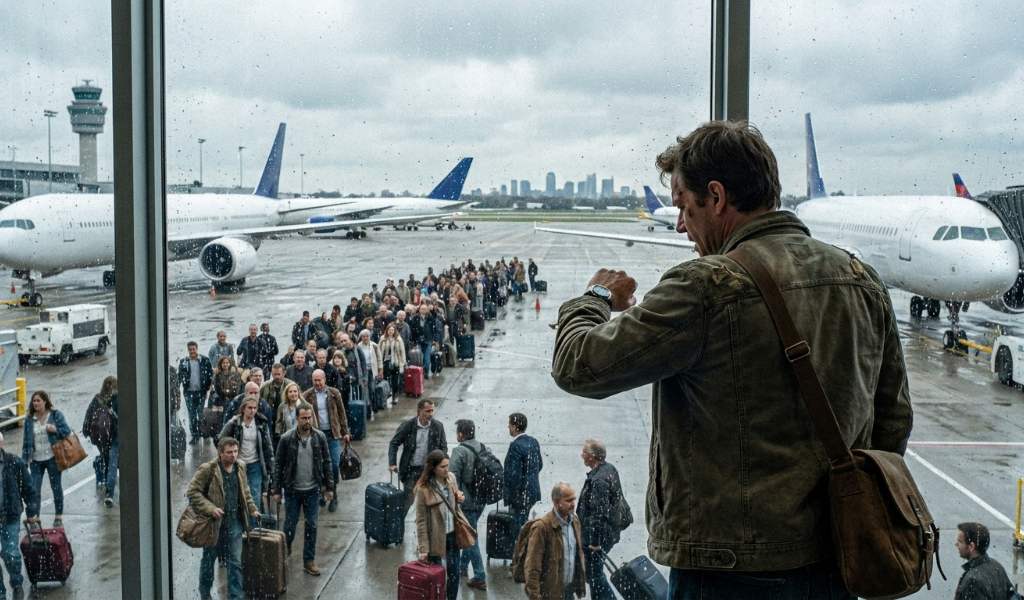
Logan International Airport operates along the windy shores of Boston Harbor. Maritime weather systems introduce low visibility and ground stops rapidly. Consequently, inbound aircraft circle regional airspace while departure queues lengthen across terminal taxiways.
Airline scheduling leaves minimal recovery room between connecting flights. Most transatlantic services depart Boston during a concentrated late afternoon bank. If your initial pushback slips thirty minutes, your overseas connection evaporates before takeoff. Therefore, smart authors never book the final transatlantic departure of the evening.
Terminal congestion at Logan adds another friction point. Security checkpoints in Terminal E experience massive passenger surges after three in the afternoon. International document checks slow line movement considerably. Authors traveling with print galleys face extra manual screening delays.
Unrealistic Layover Planning Across European Hubs
Authors frequently choose tight ninety-minute layovers in London, Paris, or Amsterdam. Schengen border control points create significant transit delays for foreign passport holders. Commercial buyers miss key events when logistics break down. Similarly, authors lose speaking slots through rushed schedules.
European airport terminals require extensive walking between arriving and departing gates. Heathrow Terminal Five and Charles de Gaulle Terminal Two demand bus transfers between satellite concourses. If passport lines backup, travelers cannot cross international terminals in under two hours. Furthermore, missed connecting flights often mean waiting twelve hours for the next seat.
Luggage transfers fail frequently during tight European transfers. While you might make a sprinting dash to your gate, your checked book copies remain behind. Arriving in Frankfurt or Bologna without presentation copies harms promotional campaigns. Building generous layover buffers eliminates this constant source of panic.
Baggage Overload and Carry-On Complications
Writers traveling abroad carry unique cargo requirements. Bound promotional galleys, marketing popups, and sensitive electronics add heavy weight to carry-on bags. European regional carriers enforce strict eight-kilogram limits on cabin baggage. Reviewing the best luggage brands helps authors select lightweight, compliant travel gear before heading abroad.
Gate agents frequently force authors to check overweight roller bags on crowded flights. When fragile promotional materials enter the hold, damage risks increase dramatically. Moreover, lost gate-checked luggage disrupts tightly timed press conferences and reading appearances. Experienced authors split essential materials between separate personal bags.
Pack your primary presentation files onto encrypted flash drives and cloud repositories. Distribute printed promotional flyers evenly across personal carry-on items. Never place irreplaceable master drafts inside checked cargo holds. This precaution ensures you arrive ready to speak regardless of baggage mishaps.
Visa, Passport, and Continental Border Checks
Electronic travel authorizations create unexpected obstacles at departure gates. European travel rules require valid biometric passport pages with ample validity margins. Gate agents at Logan Airport will deny boarding if passport expiration dates fall within three months. Therefore, inspect passport credentials six months before scheduled departure dates.
Navigating unfamiliar border controls requires patience and foresight. Long lines at immigration booths cause missed trains and delayed hotel arrivals. Just like planning a comprehensive hawaiian island vacation guide, overseas literary tours require organized travel documentation. Keeping digital copies on mobile devices simplifies identity verification across foreign transit hubs.
Border agents frequently ask visiting authors about the commercial nature of their visit. If you bring hundreds of sale copies, customs officers may demand commercial import declarations. Always carry official invitation letters from event organizers. Clear documentation explains your attendance and prevents unnecessary detention at border desks.
Strategic Booking Protocols for Traveling Writers
Overcoming Boston departure risks requires proactive flight booking strategies. Choosing nonstop flights eliminates layover hazards entirely. Nonstop routes from Logan to Frankfurt, London, and Dublin provide the safest arrival reliability. When connecting flights are unavoidable, select hubs with straightforward single-terminal layouts.
Examine flight performance metrics before entering credit card information. Morning departures through European gateways experience significantly fewer weather disruptions than evening departures. Additionally, purchasing flexible fares protects ticket value if local blizzards strike Massachusetts runways. Investing in refundable travel buffers provides priceless peace of mind.
| Booking Factor | High-Risk Selection | Recommended Strategy |
|---|---|---|
| Departure Time | Late evening flight bank | Morning or early afternoon departure |
| Layover Buffer | Under 90 minutes abroad | Four hours minimum transit time |
| Routing Type | Multiple regional connections | Direct nonstop transatlantic route |
| Ticket Flexibility | Basic nonrefundable economy | Flexible fare with change protection |
Preventing Physical Fatigue and Schedule Disruption
Transatlantic jet lag severely impairs cognitive focus and public speaking performance. Traveling east across five time zones disrupts natural circadian rhythms quickly. Many Boston authors schedule readings on the afternoon of their arrival. This intense scheduling inevitably causes severe exhaustion and performance stumbles.
Arrive in Europe forty-eight hours before your first scheduled public session. Spend the initial afternoon resting in your hotel room. Drink plenty of water throughout your transatlantic flight to counteract dry cabin air. Limiting caffeine intake allows natural sleep patterns to settle quickly.
Schedule morning outdoor walks immediately after arriving in European cities. Natural sunlight exposure resets internal biological clocks faster than synthetic sleeping aids. Consequently, you will speak with vibrant clarity during panel discussions. Prioritizing rest transforms high-pressure literary appearances into successful career milestones.
Essential Author Travel Checklist
Preparation prevents stressful emergencies during international book tours. Complete administrative tasks several weeks before departure to avoid last-minute panics. Pack essential promotional tools in organized, accessible compartments. Use this practical preparation list before leaving Boston:
- Confirm biometric passport validity extends six months beyond return dates.
- Download electronic travel authorizations to mobile wallets and offline folders.
- Pack master presentation slides onto multiple encrypted portable storage drives.
- Weigh cabin bags at home to guarantee compliance with European carrier limits.
- Program international emergency support numbers into mobile communications apps.
- Establish direct communication channels with event coordinators and stage managers.
Conclusion
Navigating transatlantic travel from Boston requires deliberate planning and realistic transit schedules. Coastal harbor weather and tight foreign layovers create severe departure vulnerabilities for busy writers. You can eliminate these disruptions by selecting direct routes and packing compliant carry-on bags.
Protect your author platform and literary reputation by upgrading your travel planning today. Book your overseas flights with generous layover windows right now.
Frequently Asked Questions
Why do evening transatlantic departures from Boston face frequent ground delays?
Coastal marine fog and heavy late-afternoon runway traffic frequently stall Logan Airport operations.
How long should authors schedule for European airport layovers?
Authors should allow at least four hours to clear international passport control points safely.
Can writers carry physical manuscript boxes as regular cabin baggage?
European carriers enforce strict carry-on weight limits that often force manuscript boxes into cargo.
What document should visiting writers show European border agents?
Authors should present an official event invitation letter confirming their speaking role at the conference.
How far in advance should an author land before a major book event?
Arriving forty-eight hours prior to scheduled speaking appearances guarantees adequate rest and schedule recovery.