Why Every Neighborhood Needs a Social Hub for Hobbyists and Weekend Athletes
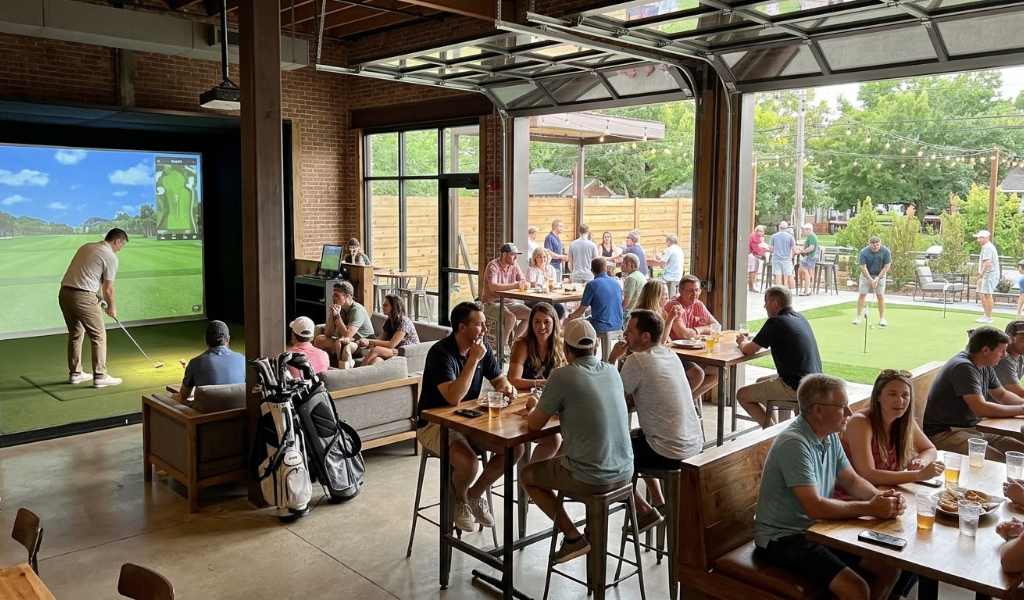
Most neighborhoods have places to live, shop, and park, but few have a place to gather around a shared interest. A golfer practices alone at a range, a runner logs miles solo, and a weekend tennis player struggles to find a fourth. A social hub for hobbyists changes that dynamic by giving people a reason to show up, repeat the visit, and meet others who care about the same activity. Whether the sport is golf, pickleball, cycling, or casual softball, a dedicated gathering space such as the golf hub can turn scattered enthusiasts into a real community with a regular rhythm and a familiar meeting point.
Quick Answer
A social hub gives hobbyists and weekend athletes a consistent place to meet, practice, and compete without the friction of organizing everything from scratch. It works best when it combines a shared activity, a comfortable social space, and a predictable schedule. The main limitation is that a hub only succeeds if enough people show up regularly, so programming and accessibility matter as much as the facility itself.
Key Takeaways
- A social hub lowers the effort required to participate, which is the biggest barrier for casual athletes.
- Shared activities create natural conversation, so members build relationships without forced networking.
- The most successful hubs mix structured events with open drop-in time to serve different schedules.
- Neighborhood hubs reduce travel time and cost, making weekly participation realistic for busy people.
- A hub fails when it relies on a single activity, a single organizer, or unclear hours.

What Makes a Social Hub Different From a Sports Facility
A gym, course, or court rental serves a transaction: you pay, you play, you leave. A social hub serves a relationship. It prioritizes repeat interaction, shared identity, and a sense of belonging alongside the activity itself. The difference sounds subtle, but it shapes everything from layout to scheduling.
Practical design differences
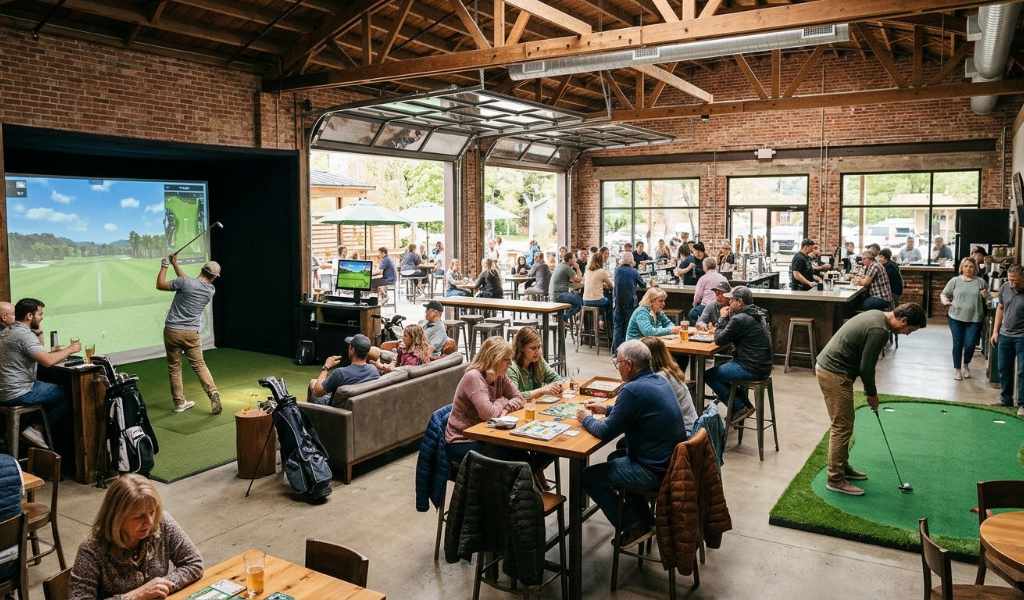
Facilities optimized for throughput minimize lingering. Hubs do the opposite. They add seating, shade, a place to store gear, a board for pickup games, and open hours that encourage people to stay after they finish playing. A putting green with benches invites conversation. A bare practice net does not.
Programming differences
Hubs run recurring events: a Saturday morning scramble, a Tuesday evening run, a monthly beginner clinic. These rituals give members a default reason to show up. Facilities rarely need recurring events because customers arrive on their own schedule.
Why Neighborhoods Benefit Beyond the Sport
When people gather around a hobby, the benefits extend past the activity. Neighbors recognize each other, newcomers find an entry point, and local businesses gain a steady stream of foot traffic.
Social cohesion
Shared hobbies create low-pressure social contact. People talk about the game, not about themselves, which makes it easier to build friendships across age, occupation, and background. This is one reason hobby-based groups often form tighter bonds than generic community events.
Local economic effects
A hub draws regular visitors who also buy coffee, snacks, and equipment nearby. That predictable traffic helps small businesses plan staffing and inventory. The effect is modest but steady, which matters more than occasional spikes.
Health and habit formation
Weekend athletes often struggle with consistency. When a group expects you at 8 a.m. on Saturday, showing up becomes easier. The social commitment reinforces the physical habit.
What to Look For in a Hub Worth Joining
Not every hub delivers the same value. Before committing time or money, evaluate a few practical factors.
- Activity fit: Does the hub support the sport you actually play, at the level you play it?
- Schedule match: Do the organized times line up with when you are free, not when the hub prefers to operate?
- Beginner friendliness: Are new members welcomed, or does the culture assume prior skill?
- Cost structure: Are fees per session, monthly, or annual? Hidden costs erode participation.
- Location and parking: A 25-minute drive becomes a 25-minute excuse after a long week.
- Leadership stability: One burned-out organizer can end a hub overnight, so look for a small team or formal structure.
- Facilities: Basic amenities, gear storage, seating, and restrooms signal long-term viability.
- Communication: A simple group chat or calendar keeps members informed and reduces no-shows.
Rank these by what matters most to you. A competitive player and a casual beginner will weigh them very differently, and that is fine.
Common Mistakes That Kill a New Hobby Hub
Many hubs start with enthusiasm and fade within a year. The causes are usually predictable.
Relying on one activity
A hub built entirely around a single sport becomes fragile. Seasonal weather, equipment costs, or a change in interest can empty it. Hubs that pair a primary activity with two or three related ones tend to survive shifts in interest.
Ignoring beginners
Experienced players often organize hubs for themselves, then wonder why newcomers do not return. Beginners need clear entry points, patience, and a way to contribute without feeling out of place.
Over-scheduling
Too many events exhaust organizers and dilute attendance. Two or three reliable recurring events beat seven sporadic ones.
No communication system
Without a shared calendar or chat, members guess at times, miss sessions, and drift away. This is the single easiest problem to fix and the most commonly overlooked.
Unclear costs
Surprise fees, inconsistent pricing, or vague membership rules create resentment. Publish costs plainly.
How to Start or Strengthen a Hub in Your Area
You do not need a large budget or a formal organization to begin. Start small and build on demonstrated interest.
- Identify one sport or activity with existing local interest by asking around, checking social groups, and watching for informal pickup games.
- Choose a public, accessible location such as a park, community center, or existing sports facility with open hours.
- Set a single recurring time and stick to it for at least eight weeks before adding more.
- Create a low-friction communication channel, ideally one the members already use.
- Recruit two or three co-organizers so the hub does not depend on one person.
- Add a beginner-friendly session once interest stabilizes.
- Track attendance informally and adjust times or activities based on what people actually show up for.
Consistency matters more than perfection. A hub that meets every Saturday at the same time builds trust faster than one with an ambitious but irregular schedule.
Matching the Hub to the Athlete
The right hub depends on who is joining. A retired golfer who wants a morning round, a parent who can only play Tuesday nights, and a college student learning a new sport have different needs. Comparing formats helps clarify the trade-offs.
| Hub Type | Best For | Main Advantage | Main Limitation |
|---|---|---|---|
| Single-sport club | Dedicated players | High skill focus, tight community | Vulnerable to seasonal or interest shifts |
| Multi-sport hub | Mixed groups, families | Broader appeal, resilient membership | Harder to schedule and maintain |
| Drop-in open sessions | Busy or irregular schedules | Low commitment, easy entry | Less predictable attendance |
| League-based format | Competitive players | Strong commitment, clear structure | Excludes casual participants |
Most neighborhoods benefit from a blend: one league-style option, one drop-in session, and one beginner slot per week. That combination covers the widest range of participants without overloading organizers.
Frequently Asked Questions
What exactly is a social hub for hobbyists?
It is a place, either physical or organized online, where people with a shared interest meet regularly to practice, play, or socialize. It differs from a commercial facility because the primary purpose is repeated social interaction, not one-time transactions.
Do I need a lot of money to start one?
No. Many hubs begin in public parks or community rooms with no rental cost. The main investments are time, consistency, and a reliable way to communicate with members.
How many people do I need for a hub to work?
A core group of five to ten regular participants is usually enough to keep a hub going. Larger groups help, but consistency matters more than total numbers.
What if interest drops after a few months?
Interest often dips after the initial novelty fades. Adjust the schedule, add a second activity, or move the time slot. Hubs that survive usually adapt rather than quitting at the first slowdown.
Can an online group count as a hub?
An online group can support a hub, but it rarely replaces one. In-person meetings build the social ties that keep members returning, while online channels handle logistics and announcements.
How do I keep beginners from feeling excluded?
Reserve one session per week or month for beginners, pair newcomers with experienced members, and avoid jargon-heavy communication. A welcoming tone in the first session determines whether someone comes back.
Conclusion
A neighborhood social hub turns individual hobbyists into a community with a shared routine. It lowers the effort required to participate, builds relationships through repeated contact, and gives weekend athletes a reason to stay consistent. The hubs that last tend to share the same traits: a narrow, reliable schedule, clear communication, beginner-friendly entry points, and more than one person holding it together. If your area lacks one, start small, pick a fixed time, and let the group grow around it. The sport is the excuse; the community is the point.