
Why Won’t My Newborn Sleep in Denver, CO?
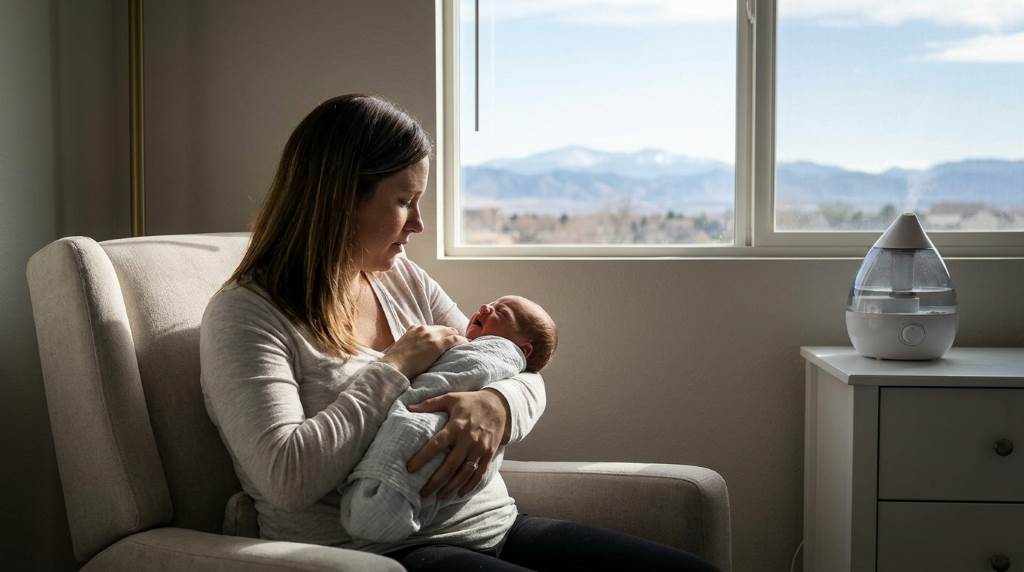
If your newborn will not sleep in Denver, the most likely reasons include normal newborn sleep patterns, high altitude adjustments, feeding needs, and an overstimulating environment. Fortunately, small changes to room comfort, feeding routines, and safe sleep habits often help babies settle more easily.
Many newborns sleep only 14 to 17 hours daily, although those hours arrive in short stretches. Additionally, Denver’s high elevation creates a different environment, so parents often look for practical solutions, including a soothe and snuggle otter, while building healthy sleep habits.
Why Denver Can Make Newborn Sleep Feel More Challenging
Denver sits about 5,280 feet above sea level, which means the air contains less oxygen. Although healthy newborns usually adapt naturally, some babies seem fussier during their first weeks.
Dry air adds another challenge because it can irritate tiny nasal passages. Therefore, parents should watch for congestion while also following baby warm safely practices without overheating the nursery.
However, altitude rarely becomes the only reason a newborn refuses sleep. Instead, several everyday factors often combine and create restless nights.
Common Reasons Your Newborn Will Not Sleep
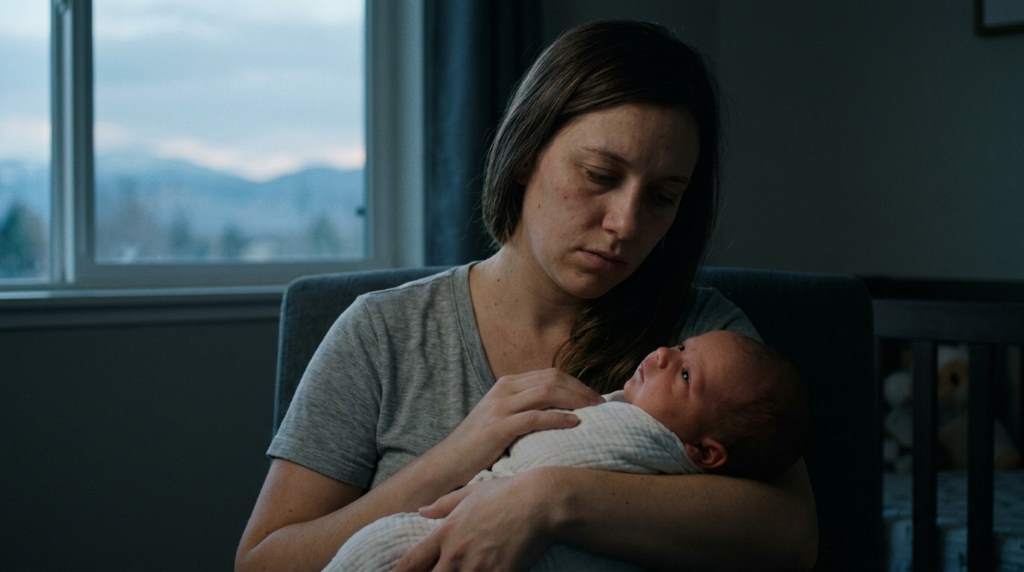
They Are Following Normal Newborn Sleep Cycles
Newborn sleep looks very different from adult sleep because their brains continue developing rapidly. Consequently, they wake frequently for feeding, comfort, and diaper changes.
Most newborns stay awake between 45 and 90 minutes before becoming overtired. Therefore, missing that window often makes settling much harder.
Hunger Interrupts Sleep
Small stomachs empty quickly, especially during growth spurts. As a result, your baby may wake every two or three hours even after falling asleep peacefully.
Cluster feeding commonly happens during evenings, which creates longer periods of wakefulness. Fortunately, this pattern usually improves with time.
Overtiredness Makes Sleep Harder
Many parents expect sleepy babies to fall asleep easily, yet overtired newborns often resist sleep intensely. Stress hormones increase when babies stay awake too long.
Look for early sleepy signs before crying begins. Yawning, staring away, and slower movements usually appear first.
Room Temperature Feels Uncomfortable
Denver temperatures change quickly between day and night throughout much of the year. Consequently, nursery comfort deserves regular attention.
A room between 68 and 72 degrees Fahrenheit usually supports comfortable sleep. Dress your baby in light layers instead of heavy blankets.
Dry Air Causes Congestion
Low humidity can make breathing feel less comfortable during sleep. Therefore, gentle saline drops sometimes help loosen nasal congestion safely.
A cool mist humidifier may also improve room moisture when used correctly. Keep it clean regularly to prevent mold growth.
How to Help Your Newborn Sleep Better Tonight
Create a Calm Bedtime Routine
Even newborns benefit from predictable routines before sleep. Simple activities help signal that rest comes next.
A gentle evening routine might include:
- Dimming lights
- Changing diapers
- Quiet cuddling
- Soft singing
- Feeding calmly
Consistency matters more than perfection during these early weeks. Your baby gradually learns these familiar sleep cues.
Watch Wake Windows Carefully
Instead of waiting for loud crying, begin settling your baby during early sleepy signals. This approach often prevents overtired meltdowns.
Most newborns need sleep again within about one hour after waking. However, every baby develops their own rhythm over time.
Use Safe Swaddling When Appropriate
Swaddling can reduce startling reflexes during the newborn stage. Nevertheless, stop swaddling once your baby shows rolling attempts.
Always place your baby on their back for every sleep. Keep the crib free from loose bedding and stuffed toys.
Reduce Evening Stimulation
Bright lights and loud activity sometimes make newborns more alert. Therefore, quieter evenings often encourage smoother transitions into sleep.
Additionally, visitors should avoid overstimulating babies before bedtime. Short peaceful interactions usually work much better.
Denver Weather and Seasonal Sleep Challenges
Winter heating systems often reduce indoor humidity dramatically. Consequently, many families notice increased congestion during colder months.
Meanwhile, summer sunlight lasts longer, which can delay sleep cues. Blackout curtains help create a darker sleep environment during evenings.
Parents also prepare for changing routines during celebrations by planning activities thoughtfully, including unique coed baby shower gatherings that respect newborn rest.
Safe Sleep Rules Every Parent Should Follow
The American Academy of Pediatrics recommends placing babies on their backs for every sleep. This position remains the safest choice throughout infancy.
Use a firm mattress with a fitted sheet only. Avoid pillows, blankets, bumpers, and sleep positioners inside the crib.
Room sharing without bed sharing provides another important safety benefit. Experts recommend this arrangement during the first months whenever possible.
After nighttime routines, gentle hygiene habits continue supporting comfort, especially when using the safest baby bathtub during regular infant care.
When Altitude Requires Extra Attention
Healthy full term newborns generally adjust well to Denver’s elevation without medical treatment. However, parents should watch for unusual breathing changes.
Seek medical advice immediately if your baby struggles to breathe, turns blue, refuses multiple feedings, or becomes unusually difficult to wake.
Premature babies or infants with heart or lung conditions may need additional guidance. Your pediatrician can provide personalized recommendations.
Signs Your Baby Is Actually Sleeping Normally
Many exhausted parents worry because newborn sleep seems unpredictable. However, several behaviors remain completely normal.
Typical newborn sleep behaviors include:
- Frequent waking
- Short naps
- Grunting sounds
- Active movements
- Day night confusion
These patterns usually improve as your baby’s nervous system matures. Patience and consistent routines often make the biggest difference.
Practical Sleep Checklist for Denver Parents
Instead of changing everything at once, focus on simple habits each evening. Small improvements often build better sleep over several weeks.
| Sleep Habit | Why It Helps |
|---|---|
| Back sleeping | Supports safer sleep |
| Cool room | Reduces overheating |
| Humidifier | Eases dry air discomfort |
| Early bedtime routine | Builds sleep cues |
| Watch wake windows | Prevents overtiredness |
When to Call Your Pediatrician
Most newborn sleep struggles reflect normal development rather than serious illness. Nevertheless, certain symptoms deserve prompt medical attention.
Contact your pediatrician if your newborn experiences breathing difficulties, poor feeding, fever, persistent vomiting, or unusual sleepiness. Early evaluation always provides reassurance when concerns arise.
Final Thoughts
If your newborn will not sleep in Denver, remember that frequent waking often reflects healthy newborn development rather than failure. Meanwhile, Denver’s altitude and dry climate may add small challenges that improve with thoughtful adjustments.
Focus on safe sleep practices, comfortable room conditions, and consistent routines instead of expecting perfect nights immediately. If concerns continue or your baby’s symptoms seem unusual, contact your pediatrician for personalized guidance.
Frequently Asked Questions
Can Denver’s altitude keep my newborn awake?
Healthy newborns usually adjust naturally, although dry air and congestion may affect comfort.
What room temperature is best for newborn sleep?
Most babies sleep comfortably in rooms between 68 and 72 degrees Fahrenheit.
Should I use a humidifier in Denver?
A clean cool mist humidifier can help reduce discomfort from dry indoor air.
Why does my newborn wake every two hours?
Frequent waking is normal because newborns need regular feeding and comfort.
When should I worry about sleep problems?
Contact your pediatrician if your baby has breathing problems, fever, poor feeding, or unusual sleepiness.