How to Keep Fishing Lures Tangle-Free with Organizers
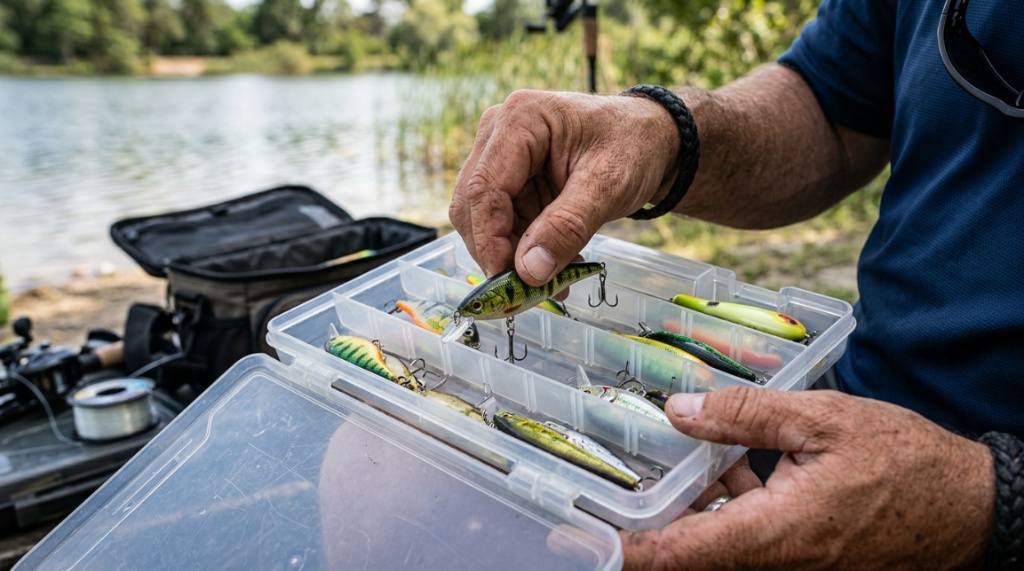
You know the feeling. You finally find the hot bite, your hands are wet, the boat is rocking, and you reach into your tackle bag to switch lures. Instead of a smooth swap, you pull out a snarled mess of treble hooks, snapped line, and lost confidence. That frustrating tangle costs you precious fishing time and can even ruin a productive day on the water. The root of this problem is often poor storage. The solution lies in using a dedicated tangle-free fishing lure organizer that separates each bait, protects your hooks, and streamlines your entire on-water experience. This guide will walk you through everything you need to know to banish lure chaos for good.
Why Do Fishing Lures Get Tangled in the First Place?
Lure tangles are not just bad luck; they are a predictable outcome of how we store our gear. Soft plastics stick together, treble hooks find every piece of fabric or line nearby, and loose lures in a compartment become a bowl of metal spaghetti. Understanding the causes is your first step toward a systematic fix.
The Physics of Hook Snags
Treble hooks are designed to catch fish, but they are also incredibly efficient at catching everything else. When lures bang together in a flat box, the hooks interlock like a chain. The sharp points create micro-scores in your fishing line, leading to weak spots that break at the worst possible moment.
The Problem with Soft Plastic Baits
Soft plastics—worms, swimbaits, and creature baits—have a tacky surface. When piled on top of each other, they chemically bond or stick together. Pulling them apart often tears the fragile tails or rips the body, rendering the bait useless.
Additionally, the hooks on soft plastic rigs tend to bury themselves deep into the plastic of other baits. This is a time-consuming mess to untangle and ruins the presentation of the bait.
Hard Baits vs. Soft Baits: Different Challenges
Hard baits (crankbaits, jerkbaits) with multiple treble hooks are the primary source of massive “bird’s nests” in tackle trays. Soft baits, on the other hand, suffer from crushing and melting. A good organizer must cater to both specific needs, which is why one-size-fits-all boxes often fail,To ensure complete comfort while spending long hours on the water organizing your gear, learn how to Pick the Right Fishing Chair for Serious Anglers before your next trip.
What Features Separate a Good Lure Organizer from a Great One?
Not all organizers are created equal. The market is flooded with cheap trays that claim to solve your problems but only delay them. You need to look for specific engineering features that directly combat the tangle issue.
Rust-Proof and Waterproof Materials
The organizer must be built from corrosion-resistant materials. Stainless steel hinges and polycarbonate or EVA foam inserts are non-negotiable. Water exposure is inevitable, and a rusted hinge will eventually fail, dumping your lures into the bottom of your boat.
Individual Lure Slots and Pre-Cut Foam
The key to a tangle-free system is physical separation. Look for organizers with pre-scored EVA foam or individual plastic slots designed to hold each lure by its belly or hook hanger. This keeps hooks from touching each other. Some premium boxes offer adjustable dividers, allowing you to customize the width for larger swimbaits.
Secure Latching Mechanisms
A secure latch is critical. Double-latch systems with rubber gaskets create a watertight seal and prevent the box from popping open during a rough boat ride. A box that opens accidentally is a disaster waiting to happen.
What is the Best Way to Organize Lures by Type?
Grouping lures by category is essential for quick access and to prevent friction. Organizing is not just about storage; it’s about creating a logical workflow so you can spend more time casting and less time searching.
Crankbaits and Jerkbaits
These hard baits should be stored lying flat in foam-lined trays where each hook can be tucked into the foam. Alternatively, use boxes with individual “cradles” that hold the bait by the bill or belly, suspending it so the treble hooks hang free without touching the sides.
Topwater and Prop Baits
Topwater lures often have long rear trebles. Place these face-down in the foam so the front hooks are buried, and the rear hooks rest on the soft surface. This protects the delicate paint job and keeps the rear hook from snagging the next lure.
Pro Tip: Use rubber bands or silicone hook shields on lures with exposed rear hooks for an extra layer of protection.
Jigs and Spinnerbaits
Jigs have weighted heads that can chip paint on other baits. Store them upright in dedicated tall boxes with individual slots. Spinnerbaits are notorious for bending their wires. A shallow box with a clip rail system keeps them straight and tangle-free.
How to Use an Organizer for Maximum Efficiency
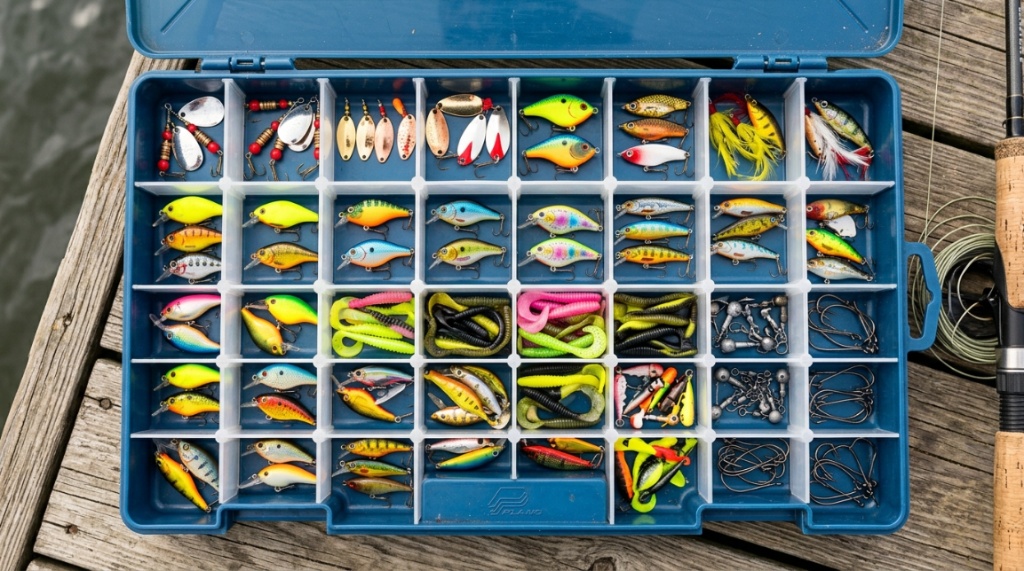
Simply buying a box isn’t enough; you must load it strategically. The way you place lures in the box determines how easy they are to retrieve and store on the water.
The “Hook Down” Technique for Foam Trays
For foam trays, always press the front hook (the one closest to the bill or line tie) into the foam first. Then, lay the lure flat and push the rear hook gently into the foam. This creates a stable grip and prevents the lure from sliding around.
Color Coding and Seasonal Placement
Arrange your boxes by fishing scenario. For example, have one box for “Stained Water” (chartreuse, black/blue) and another for “Clear Water” (natural, shad colors). This reduces the time you spend digging for the right color when the bite is specific.
The “One Box, One Strategy” Rule
Do not mix deep divers with shallow cranks in the same tray if they require different retrieve speeds. Grouping by dive depth or action profile helps you adapt quickly to changing conditions without shuffling through multiple layers of lures.
When you are looking to upgrade your setup, investing in a quality system is worth it. Finding the right tangle-free fishing lure organizer can make a significant difference in how quickly you get back to casting.
Can You Keep Soft Plastics Tangle-Free Without Individual Bags?
Yes, you can, but it requires a different approach than hard baits. Soft plastics are bulky and flimsy, making them difficult to clip into standard boxes.
Using Utility Bags for Bulk Storage
For bulk soft plastics (bags of worms), use zippered utility bags. These are not tangle-prone because the baits are in their original packaging. The goal here is simply to keep the packs upright and easily visible.
Rigged Baits in Foam Blocks
For rigged soft plastics (e.g., a wacky worm or Texas rig ready to go), stick the hook point directly into a separate EVA foam block. This keeps them ready to cast and prevents the hook from snagging the plastic body of other baits. Keep these blocks in a separate tray to avoid crushing.
Why Silicone Tabs Work Best
Some organizers come with silicone “fingers” that grip the bait body. These are excellent for shaky heads and Ned rigs because they hold the bait securely without damaging the soft material. They prevent the bait from sliding and tangling with hooks nearby.
When Should You Replace Your Lure Organizer?
Even the best organizers wear out. Using a broken organizer is almost as bad as using no organizer at all. Knowing when to retire a box is crucial for preventing tangles.
Signs of Foam Degradation
If the EVA foam starts crumbling or loses its grip, hooks will pull out too easily. This leads to lures shifting during transit and tangling. If you see deep gashes that no longer close around the hook shank, it is time for a replacement.
Latch and Hinge Failure
Check the hinges for cracks. A broken hinge will cause the lid to sit crooked, allowing water and dirt inside. A latch that pops open with a light bump is an immediate danger sign. Your lures will end up in a pile in the bottom of your bag.
Chemical Warping
Exposure to certain soft plastic softeners can cause plastic trays to warp or become brittle. If the dividers are bending, they will no longer hold lures securely. Replace the box immediately to prevent losing expensive gear.
Which Organizer Style Is Best for Bank Fishing vs. Boat Fishing?
Your fishing style dictates the type of organizer you should carry. A boat angler has the luxury of space, while a bank angler needs portability and compactness.
Compact Binders for Wading and Shore Fishing
For bank fishing, use a small binder-style organizer that fits in a backpack. These usually have thin plastic sleeves with hook slots. They are lightweight and easy to sling over your shulder. Focus on a high-density model that can hold a variety of lures without adding bulk.
Large Utility Boxes for Boats
On a boat, you have room for large, flat utility boxes that open like a briefcase. These allow you to see all your crankbaits at a glance. They sit flat in a tackle locker, so you can stack multiple boxes without worrying about lures falling out.
For both styles, prioritize boxes with inner trays that can be removed. This allows you to swap out a tray of lures without bringing the entire heavy box to the bow of the boat—a major convenience that also protects your gear from drops.
How to Maintain Your Organizer to Prevent Future Tangles
Maintenance is the forgotten step in lure organization. A clean, dry organizer performs better and lasts longer. Residue from soft plastics or saltwater can make surfaces sticky, which actually promotes tangles.
Cleaning After Saltwater Trips
Rinse your organizer with fresh water after every saltwater trip. Pay attention to the hinges and latches where salt crystals accumulate. Dry the box completely before closing it to prevent mold and rust.
Sorting Out “Weekly Rotation”
Take the organizer out of your bag at the end of the day. Inspect for loose skirts or broken split rings. A split ring that comes off a crankbait can jam the foam slot, making it hard to insert the lure next time. Fix these issues at home, not on the water.
Replacing Hooks and Split Rings
Sharp hooks are safer for you and your gear. Dull hooks require more pressure to penetrate the foam, which can damage the insert. Replace rusty hooks regularly. This prevents corrosion from spreading to the foam and other metal components in the organizer.
Are Expensive Organizers Worth the Investment?
The short answer is yes, if you value your time and tackle. The price difference between a $10 box and a $40 box often comes down to material quality and design engineering.
Cost vs. Longevity
Expensive boxes use virgin polypropylene that doesn’t warp, and marine-grade stainless steel hinges that don’t corrode. Cheap boxes might last a season, while premium boxes last a decade. Over time, the cost per use is actually lower for the premium option.
Security of Your Investment
If you throw $200 worth of crankbaits into a box, do you really want to trust a $5 latch? The premium organizer protects that $200 investment. A spilled box in your trunk can cost you hundreds in lost or damaged lures.
The “Peace of Mind” Factor
There is a financial value to fishing without frustration. Knowing that your lures are organized and ready to go improves your mental state on the water. That confidence is worth the extra cost at the register.
Frequently Asked Questions
How do I stop treble hooks from tangling?
Use an organizer with EVA foam inserts. Press the front treble hook into the foam to secure the lure, then tuck the rear treble hook against the body or into another foam slot. Individual hook shields are also highly effective.
Can I put soft plastics in the same box as hard baits?
It is not recommended. Soft plastics can melt or stick to hard bait finishes. Keep them in separate trays or bags. If you must combine them, place soft plastics in sealed zipper bags inside the tray.
What is the best material for a lure organizer?
Polycarbonate or high-impact ABS plastic for the shell, and EVA foam or silicone for the inserts. These materials are waterproof, chemical-resistant, and provide a non-slip grip for hooks.
How often should I clean my organizer?
You should spot-clean after every trip, especially if you fish in saltwater. A deep clean with mild soap and water should be done monthly or whenever you notice dirt buildup in the hinges.
Is it better to store lures hanging or lying flat?
Lying flat is preferred for most crankbaits to prevent warping of the lip. Hanging is acceptable for jigs and spinnerbaits. Follow the manufacturer’s recommendation for the specific organizer you purchase.
Can a fishing line get tangled inside a well-organized box?
No. A good box prevents loose line from entering because the lures are secured tightly. You should always cut off stray line before putting the rod away. The organizer is only responsible for the lures, not the rods.
Do I need a separate organizer for saltwater lures?
Yes, if you fish saltwater, use a dedicated organizer that you rinse thoroughly. Salt residue can transfer to freshwater lures and cause corrosion. Keeping them separate extends the life of all your tackle.
Conclusion
Taming your tackle doesn’t have to be a chore. By understanding the mechanics of tangles and investing in a quality organizer with the right features, you can eliminate the frustration of untangling hooks. Remember to match the organizer to your fishing style—whether that is a compact binder for the bank or a large utility box for the boat. Separate hard baits from soft plastics, use foam inserts to secure treble hooks, and maintain your gear regularly to ensure it lasts. Your time on the water is valuable. A few minutes of organization at home saves you hours of untangling at the lake. Assess your current setup today, choose the right tool for the job, and enjoy a smoother, more productive fishing experience.