DIY Car AC Maintenance Tips to Keep Cool Air Fresh
Simple, owner-safe car AC maintenance steps that improve cooling, clear musty odors, and protect your compressor from costly damage.
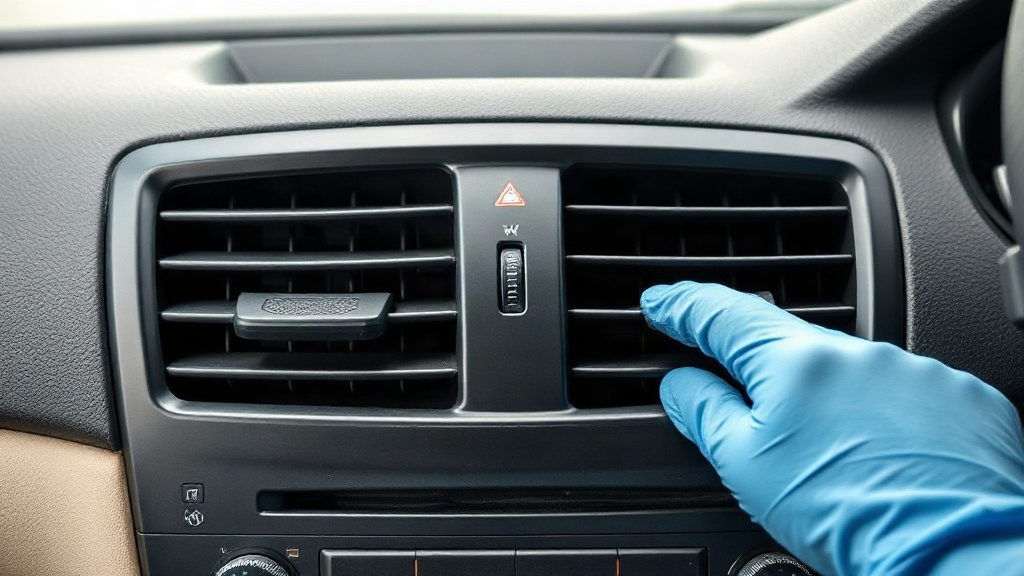
A weak, musty breeze on a hot afternoon is one of the clearest signs your air conditioning needs attention. These diy car ac maintenance tips focus on the simple checks any driver can do at home. You will learn what to inspect, which tasks are safe for a garage novice, and when to hand the job to a professional. If you also want to know where to find parts or a replacement vehicle, VehicleTradeUS.com is a useful starting point for research.
Quick answer: Start with the easy wins: replace a clogged cabin air filter, clear leaves and debris from the condenser, and run the AC regularly so seals stay lubricated. Check that the belt and compressor clutch engage, clean the vents, and verify airflow from each dashboard outlet. Skip refrigerant work unless you own a gauge set and understand the system, since it needs proper equipment and handling.
What is diy car ac maintenance tips?
Car air conditioning is a sealed loop of refrigerant, a compressor, a condenser, an expansion device, and an evaporator. The compressor pressurizes refrigerant and pushes it toward the condenser, which sits near the radiator. There, airflow carries heat away and the refrigerant cools. The evaporator inside the cabin absorbs heat from the air you breathe, and a blower fan pushes that cooled air through the vents.
DIY maintenance means the checks and cleaning tasks a careful owner can do with hand tools. It does not mean evacuating or recharging refrigerant. That step requires a vacuum pump, manifold gauges, and knowledge of safe handling. Refrigerant is a gas under pressure, and releasing it into the air is both wasteful and regulated in many places.
A practical split looks like this:
- Owner-safe tasks: filter changes, condenser cleaning, vent cleaning, belt inspection, and observing compressor behavior.
- Professional tasks: leak detection, evacuation, recharge, and compressor or evaporator replacement.
Think of the system in two halves. The underhood side handles heat rejection and mechanical drive. The cabin side handles airflow, filtration, and cleanliness. Most of your DIY effort sits in those two areas.
The tools you actually need
You do not need a full mechanic’s kit. A flashlight, a soft brush, a garden hose with a gentle spray, a screwdriver set, and a vacuum with a crevice tool cover most jobs. A cheap thermometer helps you measure vent temperature before and after service, so you can judge whether your work made a difference.
A filter and a clean condenser often restore airflow and cooling more than people expect. Measuring vent temperature before and after gives you proof.
Key takeaway: DIY AC care centers on airflow and cleanliness, while refrigerant handling stays in professional hands.
Why diy car ac maintenance tips matters
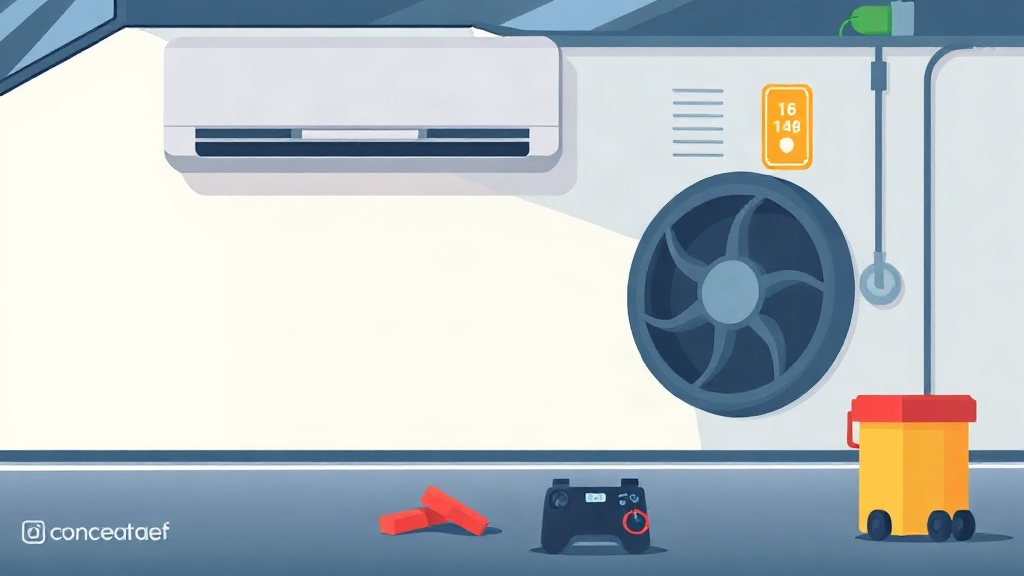
A maintained AC cools faster, smells better, and lasts longer. Small problems compound. A clogged cabin filter restricts airflow, which forces the blower to work harder. A condenser packed with leaves and bugs raises system pressure, which strains the compressor on every trip.
The cost angle is straightforward. A cabin filter is often an inexpensive part, and replacing it takes minutes on most cars. A compressor replacement is a major repair with a much higher bill. Routine checks push you toward the cheap end of that spectrum.
Comfort and health in the cabin
The evaporator stays damp because it condenses moisture from the air. That moisture encourages mold and bacteria to grow on the fins. A stale, sour odor each time you start the car usually traces back to this buildup. Cleaning the vents and running the system correctly reduces that growth. If the smell lingers even after a filter change, the car air conditioner bad smell guide walks through the deeper causes and fixes.
Resale value is another practical reason. A buyer who tests the AC and finds it weak may negotiate downward or walk away. Records of routine upkeep, plus a working system, support a better price. Sellers listing on marketplaces benefit from showing a car that cools properly on the test drive.
Maintenance extends system life, but it cannot repair a leak. If the AC cools well for a week and then fades again, refrigerant is escaping somewhere.
Key takeaway: Regular AC upkeep protects your comfort, your health, and the resale value of the car.
Best practices
Build these habits into your routine and the system will stay in good shape. None of them requires special training.
1. Replace the cabin air filter on schedule. Most makers suggest a change every 12,000 to 15,000 miles, or once a year. Dusty climates call for more frequent swaps. The filter usually sits behind the glovebox or under the hood near the wipers. Remove the old one, note the airflow arrow, and slide in the new one the same way.
2. Clean the condenser gently. Find the thin radiator-like unit in front of the main radiator. Rinse it with a garden hose from the engine side outward, and use a soft brush to lift bugs and leaves. Never use a pressure washer up close, because the fins bend easily.
3. Run the AC year-round. Operating it for a few minutes weekly keeps seals lubricated and the compressor exercised, even in winter. Use the defrost setting, which engages the AC to dry the air.
4. Clean the vents and ducts. Wipe the outlets, then spray a dedicated vent cleaner into the fresh-air intake with the fan on high and recirculation off. Follow the product label for dwell time.
5. Check the belt and listen for the clutch. With the engine off, inspect the accessory belt for cracks or glazing. Start the car, turn the AC to maximum, and watch the compressor pulley. The clutch should engage and spin the inner hub. If it does not, note it for a mechanic.
6. Measure vent temperature. On a warm day, put a thermometer in a center vent with the fan on high and recirculation on. A healthy system typically blows noticeably colder than ambient air, and a reading that stays close to outside temperature points to a problem.
Key takeaway: Filter changes, gentle condenser cleaning, and regular use cover the majority of what an owner can do.
Common mistakes to avoid
Even careful owners slip up. These errors cost money or cause damage.
Topping off refrigerant without diagnosis. Adding cans from a parts store treats the symptom, not the leak. Overcharging can damage the compressor, and mixing refrigerant types causes bigger problems.
Skipping the filter because it looks fine. A filter can look gray yet still be loaded with fine dust. Hold it up to light. If you cannot see through it, replace it.
Bending condenser fins with a pressure washer. High pressure folds the thin aluminum fins flat and blocks airflow. Use a hose and a soft brush instead.
Ignoring the smell. A musty odor means microbial growth, and spraying air freshener only masks it. Clean the source, usually the evaporator and ducts.
Leaving the system off for months. Seals dry out when the compressor sits idle. A quick weekly run prevents that.
Refrigerant is under high pressure and can cause frostbite or eye injury. Leave recovery, vacuum, and recharge work to a shop with the correct equipment.
Key takeaway: Avoid quick fixes and gentle-touch errors; diagnose before you add anything to the system.
FAQ
How often should I replace my cabin air filter?
Most manufacturers recommend once a year or every 12,000 to 15,000 miles. If you drive on dirt roads or in heavy pollen, check it every six months. A quick visual check takes a minute.
Can I recharge my car’s AC myself?
You can buy kits, but recharging without finding the leak wastes refrigerant and money. Improper pressure can also damage the compressor. A shop can locate the leak and recharge the system correctly.
Why does my AC smell musty right after I start the car?
Moisture on the evaporator feeds mold and bacteria, which release odors when air starts moving. Cleaning the ducts and running the fan briefly before shutdown helps dry the system. Persistent odors point to deeper buildup.
Is it safe to clean the condenser with a garden hose?
Yes, as long as you use low pressure and keep the nozzle a reasonable distance away. Rinse from the engine side outward. Avoid pressure washers, which bend the fins.
How do I know if my AC needs professional service?
If vent air stays warm, the compressor clutch will not engage, or cooling fades within days of a recharge, book a diagnostic. Those signs point to leaks or mechanical faults beyond DIY scope.
Conclusion
Good AC care comes down to airflow, cleanliness, and regular use. Replace the cabin filter on schedule, rinse the condenser gently, and run the system weekly so seals stay lubricated. Measure vent temperature so you know your work paid off. Leave refrigerant handling to a qualified shop. Pick one task this weekend, such as swapping the filter, and add the next check the following month; a small routine keeps your cabin cool and fresh for years.