How to Fix a Loose SUP Fin Fast (Without Ruining Your Board)
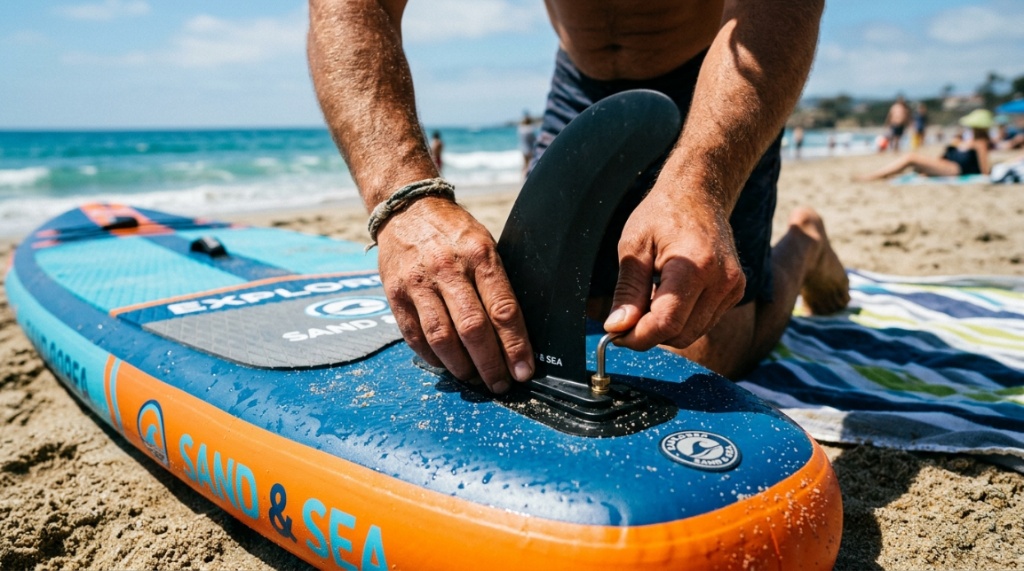
You’re paddling out, the water’s glassy, and then you feel it—that annoying wobble under your feet. A loose fin isn’t just distracting; it robs you of tracking, speed, and control, turning a peaceful session into a frustrating fight with your board. If you’ve been searching for a way to tighten loose SUP fin issues without a trip to the shop, you’ve landed in the right spot. The good news? More often than not, this is a simple DIY fix you can handle in minutes with the right technique and a little know-how. Let’s get your board feeling solid again so you can focus on the glide, not the rattle.
What Actually Causes a SUP Fin to Become Loose?
A loose fin is rarely a sign of a broken board; it’s usually a mechanical issue. Understanding the root cause is your first step to a permanent fix. The most common culprits range from simple sand grit to worn-out plastic parts, and identifying the offender ensures you don’t just mask the problem.
Grime and Sand Buildup in the Fin Box
Sand and salt are the enemies of a snug fit. Tiny particles get lodged between the fin base and the fin box, preventing the screw from fully seating the fin. This is especially common after beach launches. Give your fin box a quick freshwater rinse after every session to keep it clean.
Worn-Out or Stripped Grub Screws
The small set screw (grub screw) is what locks the fin in place. Over time, the hex head can strip out, or the threads can wear down, especially if you over-tighten it. A worn screw can’t apply enough downward pressure to hold the fin properly.
Deformed or Damaged Fin Base
Your fin base might be the problem. If it’s warped from heat or has a cracked tab, it won’t sit flush in the track. Inspect the plastic or fiberglass base for any visible damage or unusual wear that would prevent a solid fit.
What Tools Do You Need for a Quick Fix?
Before you start wrenching on your board, gather the right tools. Using the wrong size Allen key can strip the screw instantly, turning a 5-minute job into a major extraction project. Most SUP fins use a metric hex key, but it’s crucial to verify the size.
The Essential Hex Key (Allen Wrench) Sizes
The two most common sizes are 4mm and 5mm, though some smaller fins use a 3mm. Try the key gently; if it feels loose in the screw head, stop and try the next size up to avoid rounding the socket.
Lubricant and Cleaning Supplies
Keep a small bottle of fresh water and a rag handy. For stubborn screws, a silicone-based lubricant (never oil-based, which attracts sand) can help loosen things up. An old toothbrush is perfect for scrubbing out the fin box.
Spare Parts and Replacement Options
Always carry a spare grub screw in your car or board bag. They’re cheap and easy to lose in the sand. If you’re looking for a complete upgrade kit with screws and washers, you might find some good options when you tighten loose SUP fin solutions are bundled with new parts.
How to Tighten a Loose SUP Fin in 4 Steps
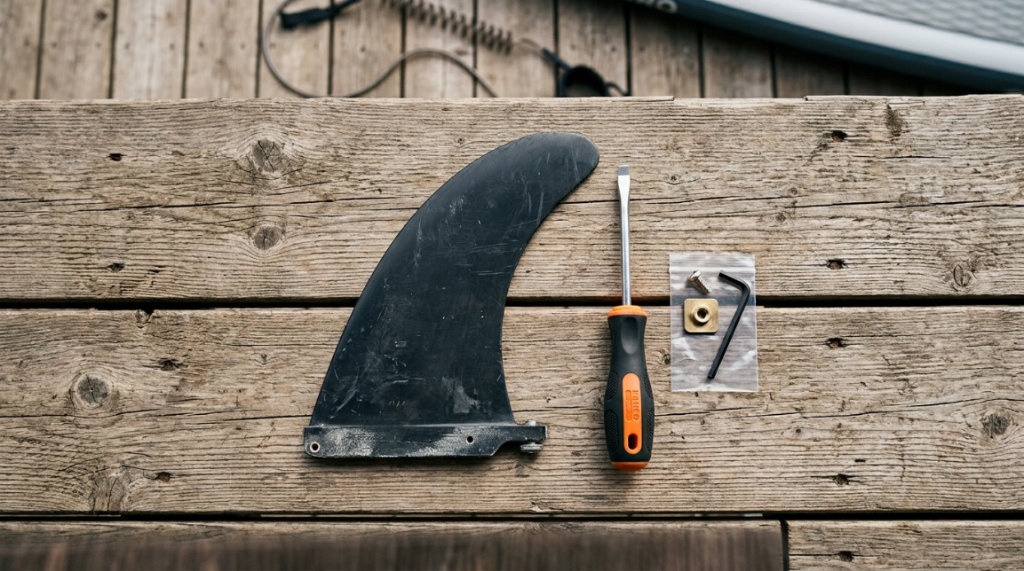
Here’s the core process for a standard US fin box or a Futures-style box. It’s simple, but attention to detail is key. Follow these steps in order, and you’ll have a rock-solid fin in less than two minutes.
Step 1: Remove and Inspect the Fin and Box
Completely remove the fin. Wipe down the fin base and use your toothbrush to clean out the fin box slot. This removes the abrasive sand that prevents a tight fit and can damage the box over time.
Step 2: Align the Fin Perfectly in the Slot
Slide the fin back in, ensuring it sits perpendicular to the board. A crooked fin will not only be loose but will also cause your board to veer to one side while paddling. Double-check that the base is fully seated at the bottom of the track.
Step 3: Tighten the Grub Screw Firmly
Insert your hex key and turn clockwise. You should tighten it until you feel solid resistance—this is “finger-tight plus a quarter turn.” Do not use a wrench to crank it down, as this can crack the fin box or strip the threads.
Step 4: Test for Wobble and Re-Adjust
Try to wiggle the fin side-to-side with your hand. There should be zero movement. If it still moves, loosen the screw, reseat the fin, and try again. Sometimes the fin shifts slightly as you tighten, so re-seating is critical.
Why Does My Fin Keep Coming Loose During Paddling?
If you tighten the screw and it loosens again mid-session, you have a recurring mechanical issue. This is often a sign that the grub screw is too short or the threads are slightly worn. Ignoring this can lead to losing a fin entirely in deep water.
Thread Locker: A Temporary but Effective Solution
A tiny drop of blue Loctite (medium strength) on the screw threads can prevent vibration from backing it out. This is the best solution for screws that keep loosening due to the flex of the board. Avoid red Loctite, as it requires heat to remove.
Checking for Overtightening and Cracks
Inspect the area around the fin box for hairline cracks in the board’s fiberglass. Overtightening can crush the material around the box, making it impossible for the screw to get a solid bite. If you see spiderwebs in the resin, you need a professional repair.
Can You Fix a Stripped Fin Box Thread?
Yes, but it’s a more involved repair than just tightening a screw. A stripped thread means the metal insert in the board can no longer grip the screw. The quickest permanent fix is installing a stainless steel thread insert (helicoil) designed for fin boxes.
Using a Helicoil Insert for Permanent Repair
This involves drilling out the old threads, tapping new ones, and installing a coiled insert. It’s a precise job that requires a specific kit. If you’re not confident in your DIY skills, this is a job best left to a professional board shaper to avoid damaging the board.
When to Use a Fin Box Repair Kit
For plastic boxes that are cracked, you can sometimes use a plastic epoxy repair kit. However, this is a structural fix that needs 24 hours to cure. It’s a more permanent solution than thread locker but should only be done if the box isn’t completely shattered.
How to Prevent Loose Fins in the Future
Prevention is always better than a mid-paddle fix. A quick maintenance routine after every surf can extend the life of your fin box and screws. This takes 30 seconds and saves you from the frustration of a wobbly ride.
Rinse and Dry Your Fin Box After Every Session
Saltwater crystallizes and leaves debris. Rinse your board and fin setup thoroughly with fresh water, and let it dry in the shade before storing. This prevents corrosion and sand cement build-up, For your water sports gear setup, check out these recommended lightweight women’s surf shoes to keep your feet protected without slowing you down.
Check Screw Tension Monthly
Make it a habit to check the tightness of your fin screw before you load your board on the car. This simple check catches a loose fin before it becomes a lost fin. A quick quarter-turn is all that’s needed if it’s slightly off.
Which Fin Box Types Are More Prone to Loosening?
Not all fin boxes are created equal. Understanding your system helps you anticipate potential issues. The two main styles—US Box and Futures—have different locking mechanisms, and each has its quirks regarding security.
US Fin Box: Stability and Washer Usage
The US Box uses a large screw that goes down into a plate. These are generally very secure but can loosen if the screw isn’t long enough. Always check to see if you have a washer on the screw; if it’s missing, the screw can bottom out without touching the fin.
Futures and FCS Systems: Grub Screw Mechanics
Futures uses two grub screws on the sides, while FCS uses a single center screw. The two-screw system often feels tighter initially but requires even pressure. If one screw is loose, the fin will rock. Always tighten both screws alternately.
Is It Safe to Paddle With a Slightly Loose Fin?
No. Paddling with a loose fin is dangerous for two reasons: you risk losing the fin and damaging the box, and you compromise your stability. A loose fin causes unpredictable steering, which can lead to falls, especially in surf conditions.
The Risks of Losing a Fin Mid-Session
A lost fin leaves you with no directional control, turning a fun session into a long swim back to shore. Worse, you may have spent a good amount on a high-quality fin, and losing it to a loose screw is entirely avoidable.
Impact on Paddling Efficiency
A wobbling fin disrupts the water flow, creating drag. You’ll find yourself paddling harder to go the same speed, exhausting your arms and shoulders. A tight fin glides cleanly, preserving your energy for the waves.
What Is the Best Temporary Fix on the Water?
If you’re already on the water and feel the fin loosen, don’t panic. You don’t need to head back to shore immediately, but you should be very cautious. The boat shoe treatment works in a pinch, but only as a last resort.
Using a Zip Tie or Leash to Strap the Fin
Wrap a small zip tie or a velcro leash strap around the fin base and the board. This won’t stop the wobble but will prevent you from losing the fin entirely. It’s a safety net to get you back to shore slowly.
Paddling Technique Adjustments
Reduce your paddle power and take a slightly wider stance to maintain balance. Avoid hard turns. Stay in calm water and head directly to the beach. This is strictly an emergency measure—not a long-term solution.
Tools vs. Kits: Which Should You Buy?
You have two options: buy a single hex key or invest in a complete fin care kit. For the casual paddler, a single key is fine. For the enthusiast, a kit provides you with spare screws, washers, and a tool that won’t strip.
What to Look for in a Fin Care Kit
Look for kits that include a metal handle (not a cheap L-key) which gives you better torque without stripping. They should also include a magnetic screwdriver head and a variety of screw sizes to fit different fin brands.
Pros and Cons of Upgrading Screws
Stainless steel screws are tougher than standard ones. The pros: they resist corrosion and last longer. The cons: they can be harder to find, and if you over-tighten, they can damage the fin box threads just as easily as cheaper screws.
When Should You Seek Professional Help?
DIY fixes work for 90% of loose fin issues. However, if you notice significant structural damage or the box is pulled out of the board, it’s time to visit a repair shop. Attempting to fix severe damage yourself can void your board’s warranty.
Signs of Structural Damage
If you see the fin box moving independently of the board, or if water is seeping into the foam (indicated by a dark spot), professional repair is required. Do not paddle this board until it’s fixed—water intrusion can rot the foam core.
The Cost of Professional Repair
A professional fin box re-seat typically costs between $50 and $80, depending on the shop. While this hurts the wallet, it’s much cheaper than replacing a $700 board because you tried to paddle a broken box and snapped it.
Frequently Asked Questions
How often should I check my SUP fin screws?
Check your fin screws before every session. A quick visual check and a touch with the hex key takes seconds and prevents the hassle of a loose fin or the cost of a lost board. Make it part of your pre-launch routine.
Can I use super glue to hold the screw in place?
No, do not use super glue. It can permanently bond the screw to the box, making future fin removal impossible. If you need adhesive, use a removable thread locker like purple or blue Loctite, designed specifically for this purpose.
Why is my new fin loose in an old board?
Fin boxes can shrink or warp slightly over time, especially if exposed to high heat. If your fin fits loosely but the screw is tight, you may need to add a shim or a small piece of gasket material to the base of the fin.
Does fin angle affect how tight the fin feels?
No, the angle doesn’t affect tightness, but it affects steering. A misaligned fin will feel unstable. When you insert the fin, ensure the rake (angle) is pointing towards the tail of the board for optimal performance and tracking.
Are all fin box screws the same size?
No. US boxes use a larger slot-head or Phillips screw, while Futures and FCS use smaller metric hex grub screws. Always check the manufacturer’s recommendation for your specific fin box to avoid stripping the head.
Conclusion
A loose SUP fin is a fixable annoyance, not a career-ending disaster. You can extend the life of your gear and keep your sessions smooth with a basic understanding of what causes the issue and how to prevent it. Remember: clean habits, proper tool use, and regular checks are your best defense against that dreaded rattling feeling beneath your feet. Next time you’re getting ready to hit the water, give your fins a quick once-over. If things feel loose, tackle it head-on with the confidence you’ve gained here. Now, get out there and enjoy a solid, stable ride!