How Families in Miami, FL Encourage Better Learning Routines After School Assessments
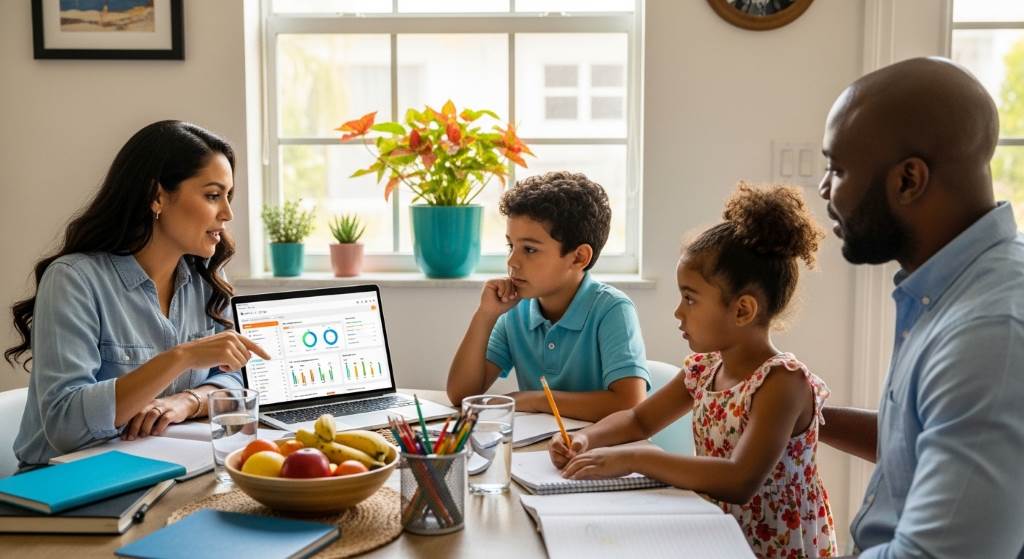
Families across Miami, Florida continue to look for smarter ways to support children after school assessments. Recent studies show that students who follow structured home learning habits can improve academic performance by nearly 20%. In addition, researchers found that consistent family involvement often increases student confidence and classroom participation. Many parents now use reflective learning methods for students to help children understand mistakes without pressure. As Miami schools become more competitive, local families focus on routines that balance education, emotional support, and healthy after-school habits.
Why Miami Families Prioritize Learning Routines After Assessments
Parents in Miami understand that assessments reveal more than grades alone. They often use results to identify focus problems, stress triggers, and study weaknesses. Because the city has a fast-paced lifestyle, families try to create calm routines at home after school. Many households also discuss long-term education goals during evening study sessions.
Students in Miami face distractions from social media, tourism activities, and busy neighborhood environments. Therefore, families build routines that improve concentration and accountability. Some parents also teach financial awareness by discussing future college plans through resources like crowdfund your college education strategies during family learning discussions. This approach helps students connect present study habits with future opportunities. As a result, children often become more motivated after assessments.
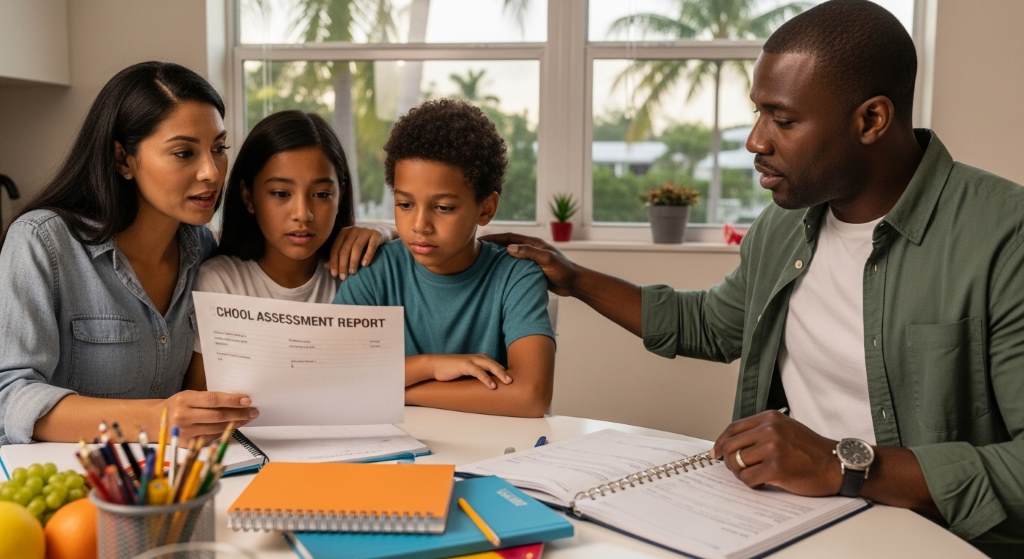
Miami’s tropical climate also influences home learning routines in unique ways. Heavy afternoon rainstorms frequently keep children indoors after school. Consequently, many parents schedule quiet reading time or review sessions during rainy evenings. Families also use cool indoor spaces to maintain focus during hot and humid months.
Creating Consistent Study Schedules at Home
Successful families usually follow predictable after-school schedules. Children often feel less anxious when they know exactly what happens after arriving home. Parents in Miami commonly divide evenings into homework time, breaks, dinner, and relaxation. This structure reduces procrastination and emotional stress after assessments.
Short study sessions work especially well for younger students. Instead of forcing long hours of studying, parents often use focused 25-minute learning periods. Afterward, children take small movement breaks to refresh their attention. Many families notice better retention when routines remain simple and repeatable.
Some parents create visual calendars near kitchen areas or study corners. These schedules help students prepare for quizzes, assignments, and future assessments. In addition, visible planning tools improve time management skills over time. Children also feel more responsible when they track progress independently.
Simple Routine Ideas Families Use
- Homework review before screen time
- Reading sessions after dinner
- Weekly family progress discussions
- Organized backpack checks every evening
- Quiet study zones without television noise
Using Assessment Results to Build Better Habits
High-performing families often treat assessments as learning opportunities instead of punishments. Parents discuss mistakes calmly and encourage children to explain confusing topics. This habit creates stronger communication between family members and students. It also helps children become more confident problem solvers.
Many Miami households now focus on growth instead of perfection. For example, parents celebrate effort, organization, and consistency after tests. Consequently, students develop healthier academic mindsets and lower stress levels. Children who feel emotionally safe usually recover faster from poor assessment results.
Some families also keep small learning journals at home. Students write down challenges, improvements, and study strategies after each assessment. This uncommon practice helps children recognize personal learning patterns over time. Parents then adjust routines based on the student’s real experiences rather than assumptions.
Combining Traditional and Modern Learning Approaches
Miami families increasingly blend digital tools with traditional study methods. While educational apps help with practice exercises, parents still value handwritten notes and printed reading materials. Many families believe this combination strengthens memory retention and concentration. Therefore, children experience more balanced learning environments.
Some parents explore educational philosophies to improve home teaching methods. They often discuss critical thinking, discipline, and independent learning through resources about what is classical education during weekend family learning sessions. These discussions encourage students to think deeply rather than memorize information. As a result, many children become more curious learners after assessments.
Families also reduce excessive multitasking during homework time. Phones often stay outside study areas to limit distractions. In addition, parents encourage single-task focus for improved understanding. This habit supports stronger attention spans in busy urban environments like Miami.
The Role of Emotional Support in Learning Success
Children often carry emotional stress after school assessments. Therefore, Miami parents increasingly prioritize emotional check-ins before discussing grades. Simple conversations about feelings help students relax and communicate openly. This supportive approach reduces fear around academic performance.
Families also encourage physical activity after school before homework begins. Because Miami weather stays warm most of the year, many students spend time outdoors to release stress. Evening walks, bike rides, and neighborhood sports activities improve mood and mental focus. After physical movement, students often study more effectively.
Parents who stay calm during difficult academic periods usually influence children positively. Instead of criticizing mistakes immediately, they focus on practical next steps. This strategy teaches resilience and accountability without creating fear. Over time, students become more independent and emotionally balanced learners.
Healthy Emotional Habits After Assessments
- Discuss feelings before reviewing scores
- Reward consistency instead of perfection
- Encourage questions without judgment
- Maintain calm conversations about mistakes
- Practice positive reinforcement daily
Building Productive Learning Spaces in Miami Homes
Many Miami homes now include dedicated study areas for children. Families understand that environment strongly affects concentration and memory. Even small apartments can create productive learning corners with proper organization. Good lighting and reduced noise often improve study quality significantly.
Humidity and heat also affect comfort during homework sessions in South Florida. Therefore, parents frequently use fans, cool lighting, and organized desk spaces to improve focus. Comfortable learning environments reduce frustration during difficult assignments. Students also stay engaged for longer periods when spaces feel calm and inviting.
An uncommon but effective strategy involves rotating study locations inside the home. Some students review reading material at the dining table and complete math exercises in quieter bedrooms. This method prevents mental fatigue and increases attention. Miami families who use this approach often report stronger engagement during evening study routines.
How Community Support Strengthens Family Learning Routines
Many Miami neighborhoods offer educational support programs after school hours. Libraries, youth centers, and tutoring groups help families maintain learning consistency. Parents often combine these local resources with home study routines. Consequently, students receive broader academic support beyond the classroom.
Some families collaborate with teachers more actively after assessments. They communicate regularly through school apps, emails, and parent meetings. This teamwork helps parents understand academic expectations clearly. Students also benefit when adults maintain consistent learning goals.
Miami families with children who need additional support often seek specialized guidance. Some parents learn educational support techniques through resources about special education paraeducator onboarding practices to better understand student needs. This proactive learning creates stronger home support systems for children facing academic challenges. As a result, families build more personalized routines after assessments.
Technology Habits That Improve Study Routines
Technology can either support or damage learning routines depending on usage patterns. Therefore, many Miami families establish strict screen-time boundaries after school assessments. Educational platforms often remain separate from entertainment apps during study hours. This separation improves focus and reduces unnecessary distractions.
Parents also use shared digital calendars to track assignments and test schedules. These systems help children develop planning skills early in life. In addition, reminders reduce last-minute stress before important assessments. Students often feel more organized when responsibilities stay visible.
Some households create “technology-free evenings” once or twice each week. During these nights, families focus on reading, conversations, and creative activities instead of devices. This uncommon routine strengthens family communication and attention spans. It also helps children mentally reset after demanding school weeks.
Encouraging Independence in Student Learning
Strong routines should gradually build student independence over time. Miami parents often begin with close supervision during elementary years. However, they slowly allow children to manage assignments independently as responsibility improves. This transition teaches accountability and confidence.
Children benefit when parents guide instead of controlling every task. Therefore, many families encourage students to solve simple academic problems alone first. Parents step in only when additional support becomes necessary. This approach develops critical thinking skills and self-reliance.
Reward systems also help reinforce independent learning behaviors. Some families use simple incentives such as extra reading time, outdoor activities, or weekend privileges. Positive reinforcement often motivates students more effectively than punishment. Consequently, children begin viewing routines as personal habits instead of forced obligations.
Conclusion
Families in Miami, FL continue finding creative and supportive ways to encourage stronger learning routines after school assessments. Through emotional support, structured schedules, healthy environments, and practical study habits, parents help students grow academically and personally. Many households also strengthen long-term educational planning by exploring resources like special education paraeducator onboarding steps while improving home learning strategies. Small daily improvements often create lasting academic success over time. Families who stay consistent, supportive, and involved can help children build confident and effective learning habits for the future.
FAQs
How long should students study after school assessments?
Most students benefit from 25 to 45 minutes of focused study sessions with short breaks.
Why do Miami families focus on structured routines?
Structured routines help children manage distractions and maintain consistent learning habits.
What role does emotional support play after assessments?
Emotional support reduces stress and helps students stay motivated after academic challenges.
Can technology improve after-school learning routines?
Yes, educational apps and digital calendars can improve organization and study consistency.
What makes Miami learning routines unique?
Miami families often adapt routines around tropical weather, busy lifestyles, and multicultural learning environments.