How to Select the Best Golf Balls for a Texas Golfer
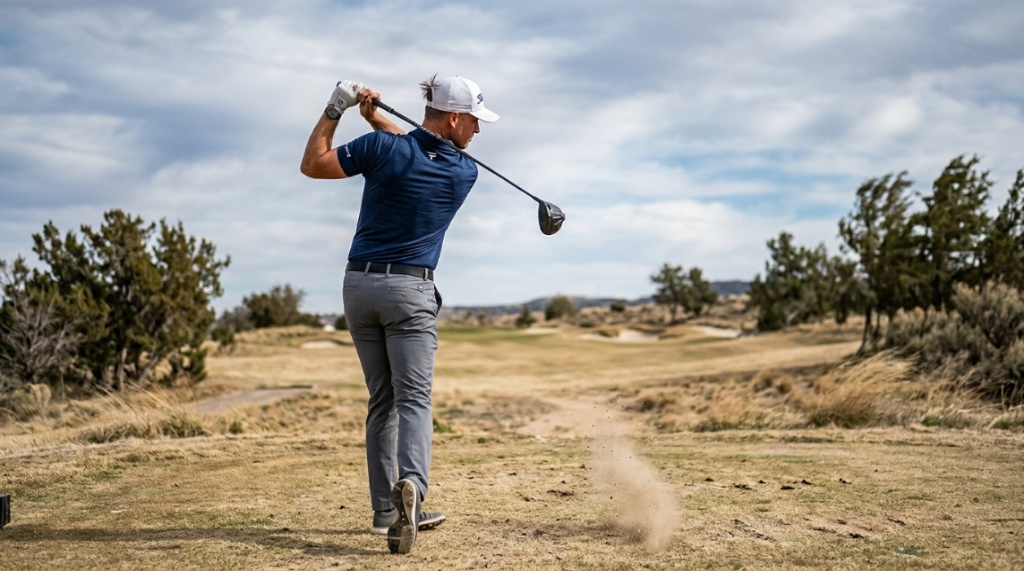
You’ve finally carved out a Saturday morning to hit the links. The Texas sun is already baking the fairway, the wind is gusting across the Hill Country, and you just sliced your opening drive into a patch of rock-hard Bermuda rough. You reach into your bag, pull out a ball, and wonder: am I even playing the right equipment for this state? If you’ve been struggling with inconsistent distance, poor spin control on the greens, or balls that just don’t hold up against the elements, you’re not alone. The problem is that most golfers grab any premium ball off the shelf without considering the unique conditions of Texas: extreme heat, heavy wind, firm turf, and fast greens. The solution starts with understanding what makes a ball perform here. This guide will walk you through exactly how to pick the best golf balls for Texas golfers needs—covering everything from construction to compression to turf interaction.
What Makes Texas Golf Conditions Unique for Ball Selection?
Extreme Heat and Ball Performance
Texas summers push air temperatures well past 95°F, and the ground can easily hit 120°F. Heat softens a golf ball’s core, which can lower compression and reduce distance control. If you play a super-soft ball (compression below 60), you may find it feeling “mushy” off the driver on 100-degree days. A mid-compression ball (70–90) maintains its integrity better in high heat, giving you more consistent launch and spin.
Wind Is the Real Handicap
From the Panhandle gusts to coastal breezes near Corpus Christi, wind is a constant companion. A high-spin ball with a soft cover will balloon into a headwind, costing you 10–15 yards. Lower-spin, multilayer balls with firmer covers cut through wind more efficiently, keeping your trajectory penetrating and predictable.
Firm Bermuda Grass and Baked-Out Fairways
Unlike the soft, lush courses you see on TV, many Texas courses feature Bermuda grass that turns dormant and crispy in summer. You rarely get a “mud ball” lie. Instead, you get hardpan and tight lies. A ball with a slightly firmer cover (urethane or cast thermoset urethane) helps you control spin from tight lies around the green, while a softer ball might grab too much or not enough.
How Does a Golf Ball’s Construction Affect Your Game in Texas?
Two-Piece vs. Three-Piece vs. Four-Piece
A two-piece ball (Surlyn cover, large core) is durable and low-spin, ideal for high-handicappers playing on windless days. However, in Texas, a three-piece or four-piece ball with a urethane cover gives you better spin separation: low spin off the driver for distance, high spin on wedges for control. Four-piece balls are overkill for most amateurs, but a quality three-piece urethane ball is the sweet spot for the best golf balls for Texas golfer who wants versatility.
Cover Material: Urethane vs. Surlyn vs. Ionomer
Urethane covers are softer, provide more greenside spin, and feel better on Texas’ fast greens. Surlyn covers are harder, more durable, and lower spin—great for budget balls but terrible for holding a green into a 20 mph wind. Ionomer blends sit in the middle. If you want control on firm surfaces, urethane is non-negotiable.
Core Compression and Firmness
Compression ratings (typically 60–110) indicate how hard the ball feels at impact. For Texas: if you swing driver 85 mph or slower, stick with 60–70 compression. If you swing 90–100 mph, choose 70–90 compression. Faster swingers can go 90+. Heat already reduces effective compression; starting with a firmer ball compensates for that.
Which Golf Ball Compression Is Best for Hot Weather Play?
Low Compression (Below 60) – Not Ideal for Summer
Low-compression balls like the Callaway SuperSoft feel great in spring and fall. But in July heat, they can become excessively soft, leading to ballooning in the wind and inconsistent distance. If you love the feel, keep them for milder months only.
Mid Compression (70–90)—The Texas Sweet Spot
Mid-compression balls (e.g., Titleist Tour Soft, Srixon Q-Star Tour, TaylorMade Tour Response) offer the perfect balance. They remain responsive in heat, hold their shape off the driver, and still provide enough feel for chipping and putting on Texas’ fast, sloping greens.
Why Does Wind Affect Your Ball Flight Differently Based on Ball Type?
The Role of Spin Rate in Wind
A ball spinning at 2,800 rpm off the driver will climb higher and catch more wind than one spinning at 2,200 rpm. Wind pushes high-spin balls off line more aggressively. Lower-spin balls stay on a straighter, flatter trajectory. For Texas, look for balls marketed as “low spin off driver” or “penetrating flight.”
Dimple Pattern and Aerodynamics
Dimples generate lift and drag. Balls with 300–360 dimples in a tetrahedral pattern (like Srixon’s 338-speed dimples or Titleist’s spherically-tiled 346 dimples) maintain stability in crosswinds. Avoid balls with shallow, large dimples that struggle in air movement.
How to Match a Golf Ball to Common Texas Course Types?
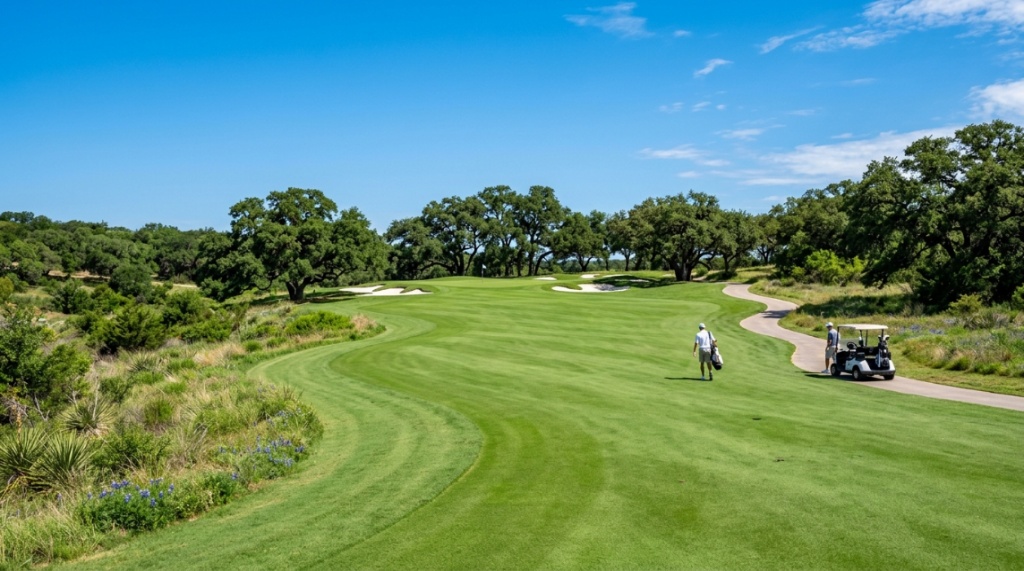
Hill Country Courses (Firm, Rocky, Elevation Changes)
Courses like those in Austin or San Antonio feature hard, fast-running fairways. You need a ball that runs out—so a lower-spin, firmer ball works well. The best golf balls for Texas golfer on these tracks is one that offers low driver spin for rollout and high wedge spin to stop on firm greens. The TaylorMade TP5 or Titleist Pro V1x excel here.
Coastal Courses (Humidity, Wind, Soft Conditions)
Galveston and Port Aransas courses feature higher humidity and occasional rain. Softer balls can become waterlogged faster. A water-resistant urethane cover (like in the Chrome Soft X) helps maintain performance in damp conditions. Also, higher launch helps carry over wet rough.
Dallas/Fort Worth Muni Courses (Mix of Conditions)
These courses vary wildly from overseeded rye in winter to dormant Bermuda in summer. A versatile ball like the Srixon Z-Star or Bridgestone Tour B RX adapts well to both firm and soft conditions, giving you predictable performance year-round.
Can You Use the Same Golf Ball Year-Round in Texas?
Yes, If You Pick the Right All-Season Ball
A mid-compression, urethane-covered, three-piece ball with moderate spin works from January (40°F) through August (105°F). Balls like the Titleist Pro V1 or Callaway Chrome Soft maintain playable characteristics across that range. Avoid extreme low-compression or ultra-high-compression balls for year-round use.
Seasonal Adjustments Worth Making
If you’re a serious player, consider switching in winter: go to a slightly softer ball (like the Vice Pro Soft) when temperatures drop below 50°F. In summer, move back to your firmer ball. But for most weekend warriors, one mid-range urethane ball covers all seasons,Choosing a ball that cuts through the heavy afternoon gusts is only half the battle. Staying sharp in the humidity matters just as much. While you optimize your gear from the tee box, make sure you are personally protected from the sun by pairing your setup with the right Golf Hat for Hot Weather Conditions to stay focused through all 18 holes.
Which Specific Golf Ball Models Perform Best in Texas?
Top 5 Picks for Texas Golfers
- Titleist Pro V1 – The gold standard. Low driver spin, high wedge spin, excellent wind performance. Perfect for fast greens and firm fairways.
- Callaway Chrome Soft X – Firmer feel than standard Chrome Soft. Better for higher swing speeds and windy days. Dual SoftFast core retains energy in heat.
- Srixon Z-Star – Great value. 338-speed dimple pattern cuts through wind. Three-piece construction with urethane cover offers tour-level spin.
- TaylorMade TP5 – Five-layer construction provides exceptional ball speed and spin separation. Ideal for shot shaping on windy, firm courses.
- Bridgestone Tour B RX – Designed for moderate swing speeds (under 105 mph). Generates low spin off driver with excellent greenside control.
Budget-Friendly Option for Texas Conditions
The Vice Pro Plus offers a four-piece cast urethane ball at half the price of premium brands. It performs exceptionally well in heat and wind, making it a smart choice for regulars who lose a few balls per round.
How Does Putting Feel Change Based on Ball Choice on Texas Greens?
Greens Are Faster and Harder
Texas greens, especially bentgrass varieties in North Texas and Bermuda in the south, run fast (Stimpmeter readings of 10–12). Softer balls (compression below 60) feel dead off the putter face, reducing distance control. Firmer balls produce a crisp, responsive feel that helps you gauge pace more accurately.
Urethane vs. Surlyn on Fast Greens
Urethane covers provide a softer, more consistent roll out of the gate. Surlyn feels clacky and can skip slightly on fast, firm greens. If you want to three-putt less, invest in urethane. Your scorecard will thank you.
Is There a “Best” Golf Ball for Beginners Playing in Texas?
Yes – The Srixon Soft Feel or Callaway Warbird
Beginners often lack swing speed and struggle with slice or hook. A low-compression, two-piece Surlyn ball like the Srixon Soft Feel (compression 60) provides forgiveness, distance, and minimal sidespin. It also handles Texas heat reasonably well for the price.
When to Upgrade from a Beginner Ball
Once you consistently break 95, you’ll benefit from the touch and control of a urethane-covered ball. Moving to a Q-Star Tour or Vice Pro Soft gives you better performance around the greens without overwhelming you with cost.
What Common Mistakes Do Golfers Make When Buying Balls for Texas?
Mistake 1: Buying Based Popularity, Not Conditions
Just because a ball is #1 on tour doesn’t mean it’s right for your swing speed and Texas conditions. A Pro V1 left dash is lower spin, but many amateurs need more spin to stop on firm greens.
Mistake 2: Ignoring the Wind Factor
Golfers in West Texas often buy high-spin tour balls and wonder why they lose 20 yards into a headwind. Always check ball marketing for “low spin off driver” or “wind stable.”
Mistake 3: Using One Ball for Everything
Don’t use the same ball for a 95° day in Houston and a 50° day in Amarillo. At least be aware of temperature effects. Keep a sleeve of softer balls for winter months.
Frequently Asked Questions
What is the most durable golf ball for Texas rough?
The Callaway Warbird and Titleist Velocity are highly durable Surlyn-covered balls that withstand contact with rocks, tree roots, and cart paths common on Texas courses.
Can I use a soft golf ball in Texas summer?
You can, but expect reduced distance and a mushy feel on hot days. Soft balls like the Wilson Duo Soft become overly soft in 100°F heat, leading to less control.
Do golf balls lose performance in humidity?
Humidity has minimal effect on ball flight compared to wind or temperature. Humidity can actually slightly increase lift, but the change is negligible for most amateurs.
How often should Texas golfers replace their golf balls?
After every 3–4 rounds or if you notice visible scuffs, cracks, or loss of gloss. Texas rough and hardpan can damage covers faster than softer turf.
What is the best low-spin golf ball for windy conditions in Texas?
The Titleist AVX is specifically designed for low spin and penetrating flight, making it excellent for windy days. The Bridgestone Tour B XS also performs well.
Are premium golf balls worth the cost for a 20-handicap in Texas?
Only if you value greenside feel and consistency. A 20-handicap may lose more balls than they benefit from, so a mid-priced ball like the Vice Pro or Srixon Q-Star Tour is a better value.
Should left-handed golfers choose different balls for Texas?
No. Ball selection criteria (compression, cover, spin) are identical for left- and right-handed golfers. Focus on swing speed and course conditions, not handedness.